Home Blog Page 14

BEACON India Opens New Office in Pune, Strengthening SOLIDWORKS Support for Western India

0
Beacon pune new

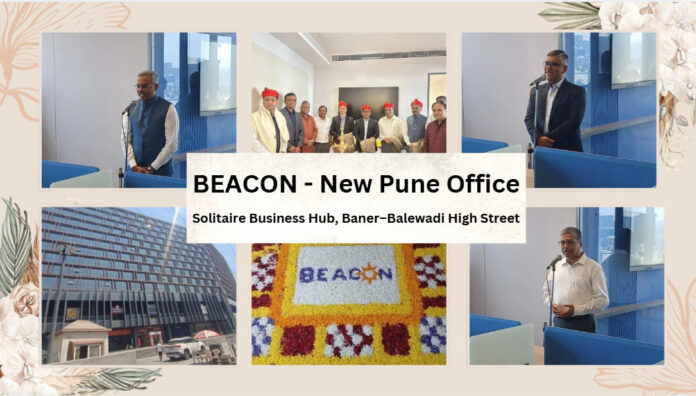
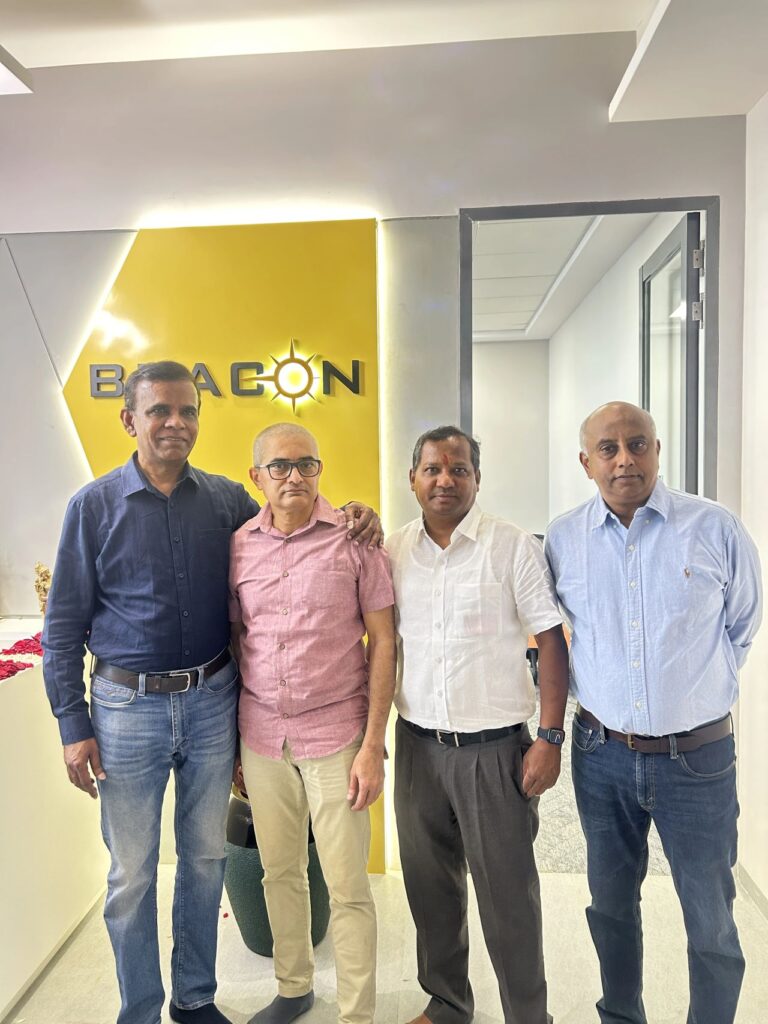
Pune, India – March 2026 – BEACON India, an authorized reseller of SOLIDWORKS, has announced the opening of its new office in Pune, marking another milestone in the company’s continued growth and commitment to supporting the engineering and manufacturing community in India.

B5

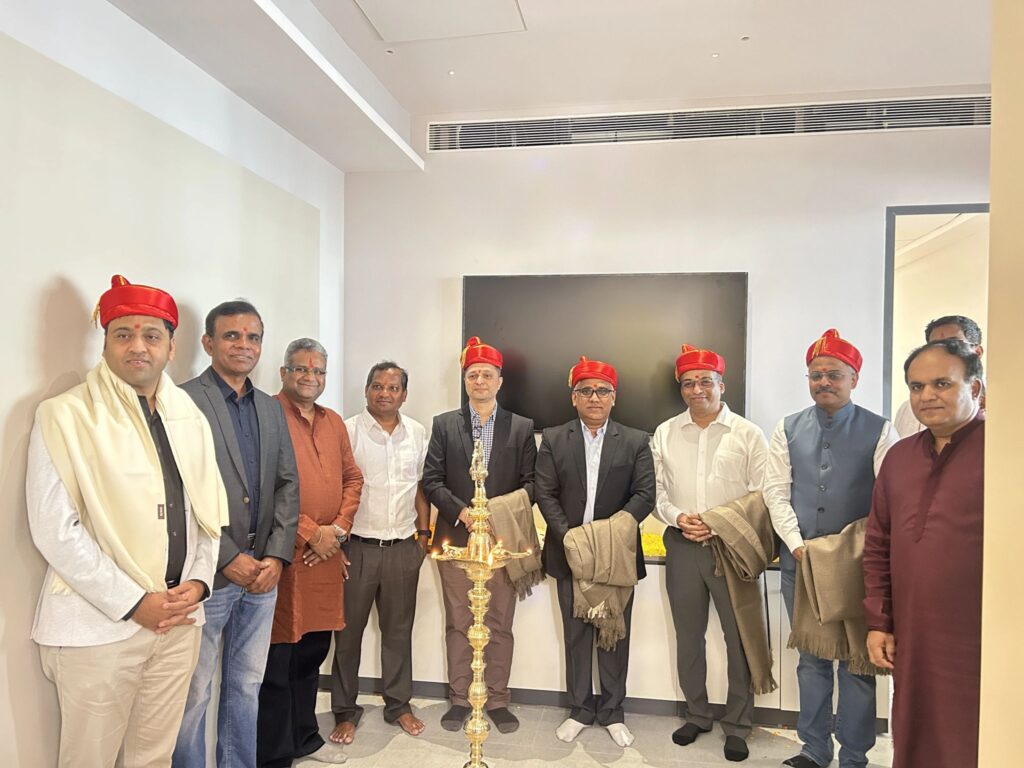
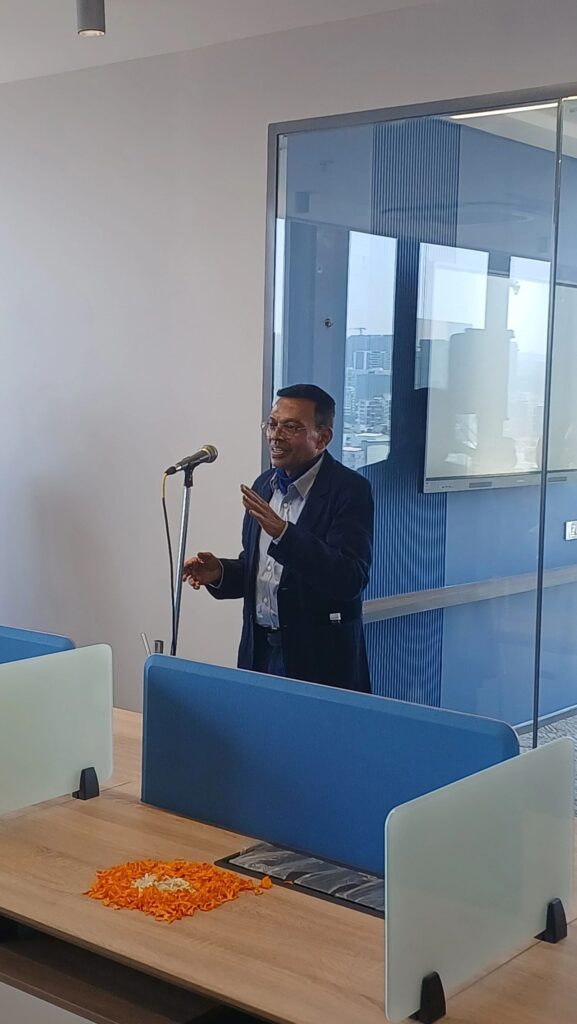
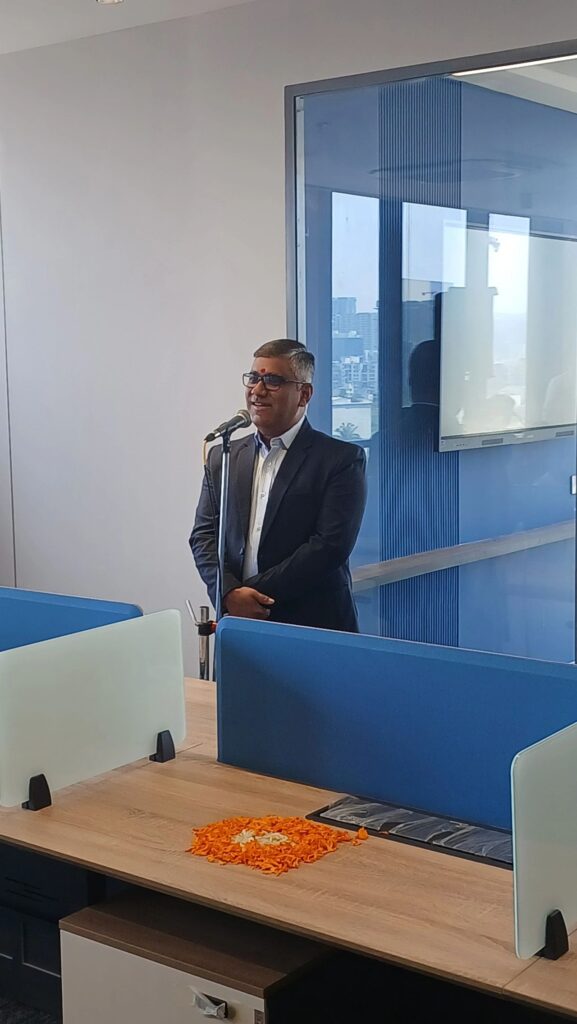
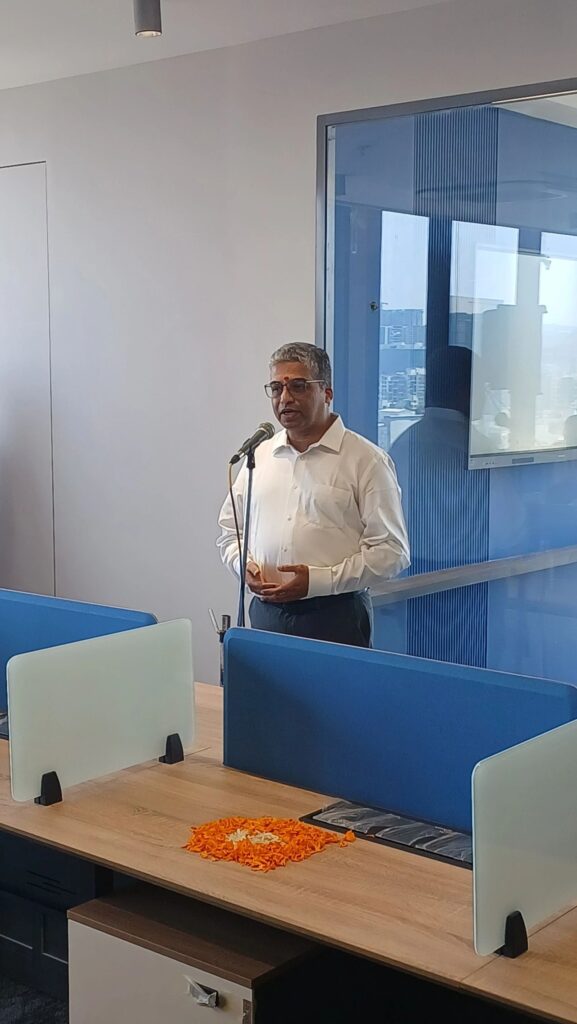
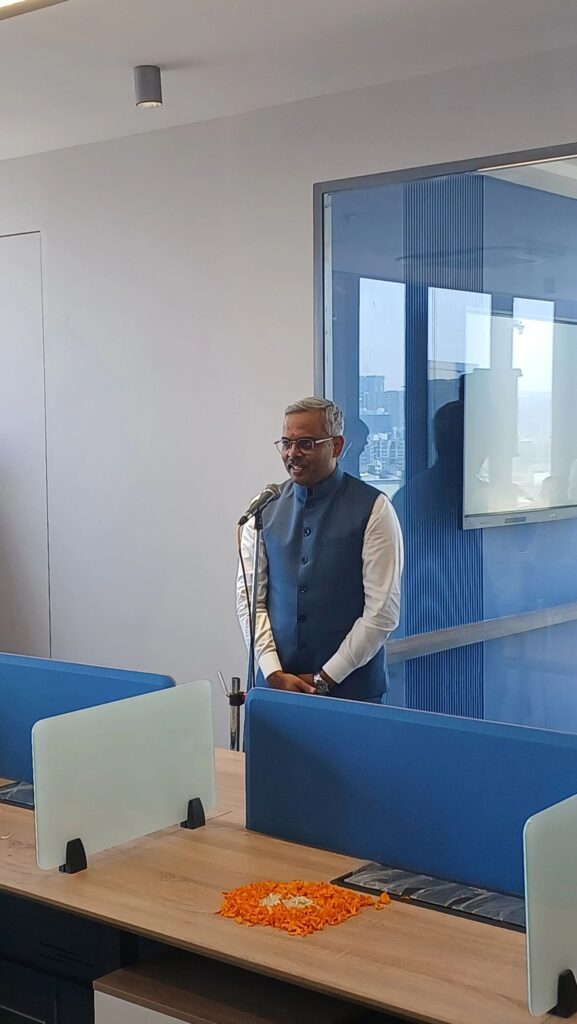
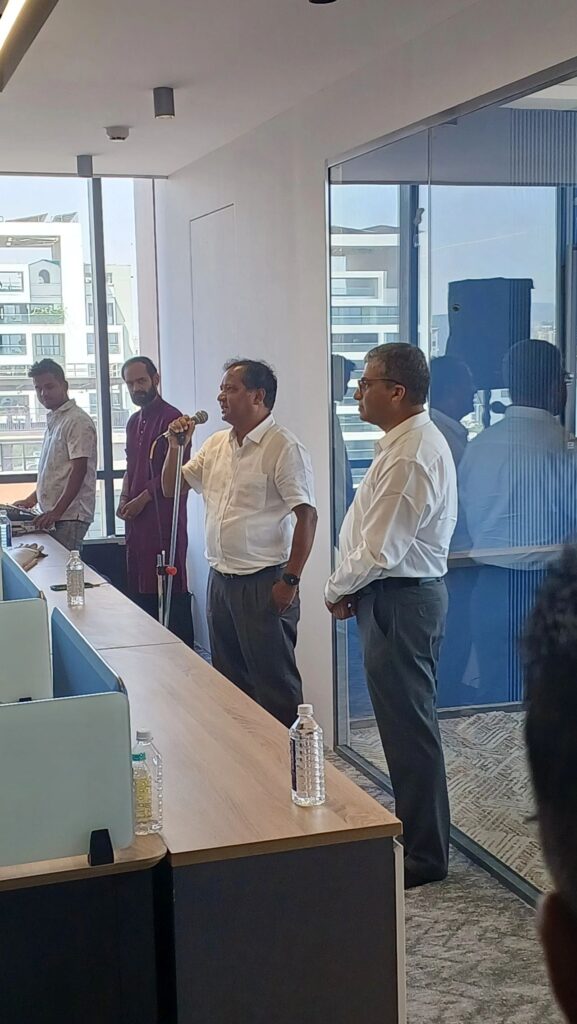
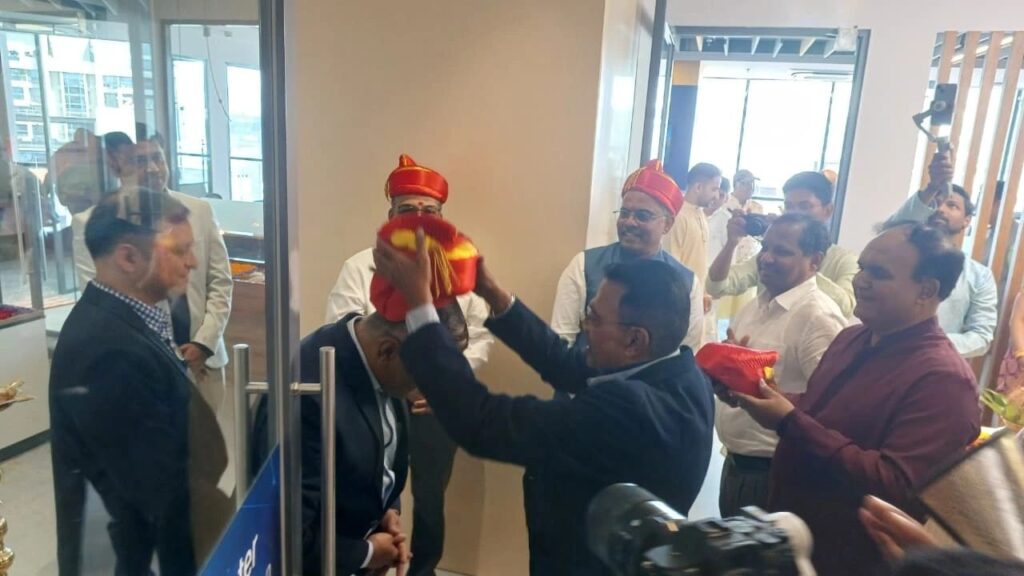
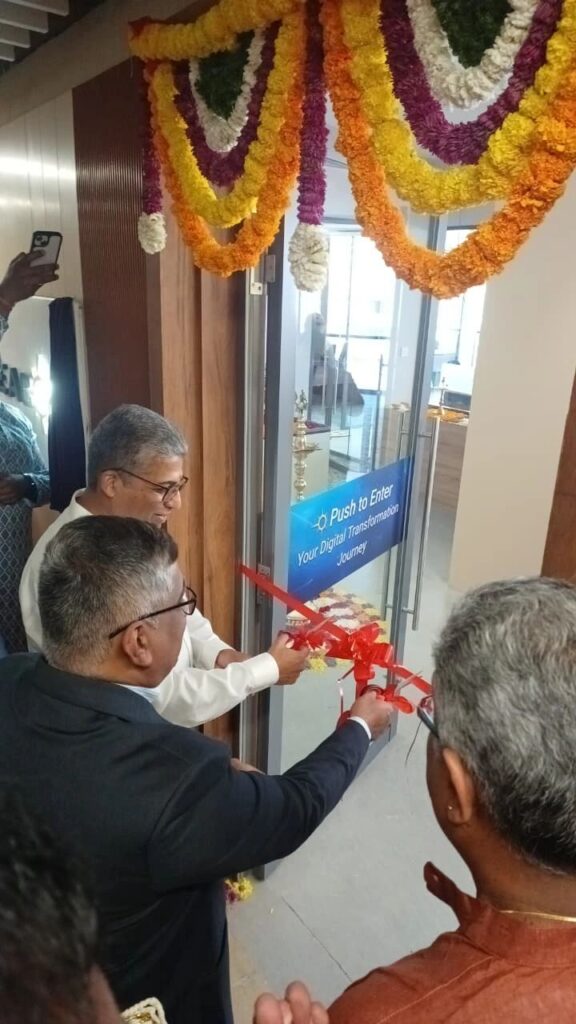
The new office, located at Solitaire Business Hub on Baner–Balewadi High Street in Pune, was inaugurated on March 8, 2026, in the presence of several distinguished industry leaders, partners, and customers. The inauguration ceremony was graced by Anand Samant, Managing Director of Polyhydron Systems Pvt. Ltd., who is also the first client of BEACON India.

Senior leadership and honorary guests from Dassault Systèmes attended the inauguration, including Mr. Deepak N G, Managing Director, Dassault Systèmes India; Mr. Ramakrishnan Venkataraman, Director, SOLIDWORKS, Dassault Systèmes India; Mr. Vishal Phadke, Sales Director – North, West & Central, Dassault Systèmes India; and Mr. Sagar Gajanan KASHID, Industry Process Consultant Manager – India WE-EA. The event was also attended by Mr. Rakesh Rao, MD, DesignSense.
The BEACON India leadership team present included Mr. Varakumar Siddavatam, Founder & Director; Mr. Joseph Jerome, Joint Managing Director; Mr. Arumuga Nainar, Chief Executive Officer; Mr. Mahesh VL, Sales Director; Mr. Adhi Anand, Chief Operating Officer; Mr. Ashish Gothe, Director – Sales & Operations (Maharashtra); and Dr. Anjan Sarkar (Ph.D.), Director (Simulation – Business Development).

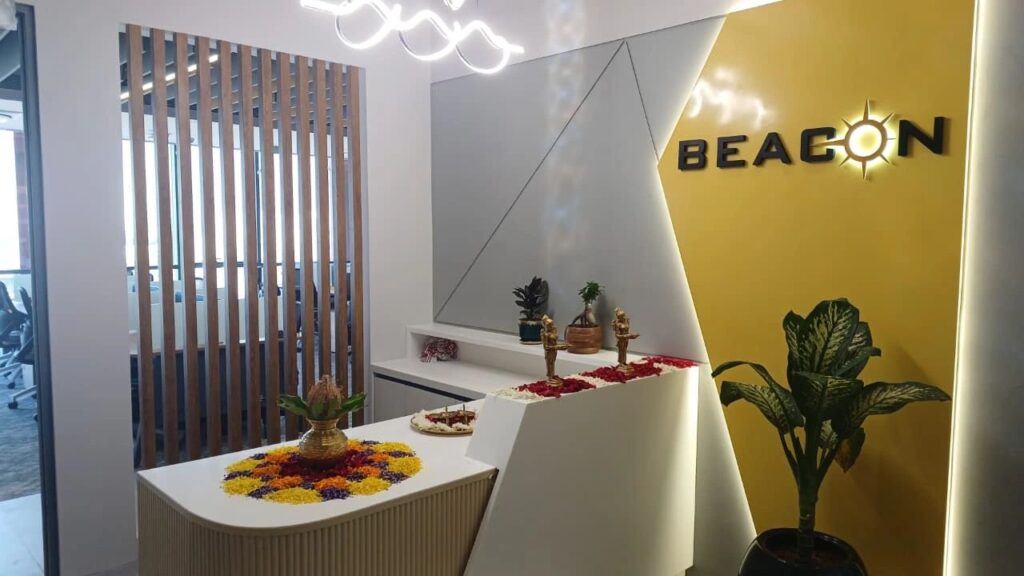
The new facility is expected to strengthen BEACON India’s ability to deliver advanced design, engineering, and simulation solutions to customers across western India. With Pune being one of the country’s leading hubs for automotive, industrial machinery, and manufacturing innovation, the new office will enable the company to work more closely with engineering teams and provide enhanced technical support, training, and consulting services.

As a trusted partner of Dassault Systèmes, BEACON India offers a comprehensive portfolio of engineering and product development solutions including 3DEXPERIENCE, SIMULIA, ENOVIA, SWOOD, SOLIDPLANT, DriveWorks, TeamEDA and manufacturing solutions such as CAMWorks. The company also provides solutions in additive manufacturing through partners like Formlabs.

The expansion reflects BEACON India’s strategy to support companies in adopting digital engineering, simulation-driven design, and modern product development workflows. Through the new Pune office, BEACON India aims to further strengthen its collaboration with local manufacturing companies, startups, and academic institutions while helping organizations accelerate innovation and improve product development efficiency.

Speaking at the inauguration, Mr. Varakumar Siddavatam, Founder & Director BEACON India highlighted that Pune’s strong ecosystem of engineering companies and technology talent makes it an ideal location to expand operations and deepen engagement with customers using SOLIDWORKS, 3DEXPERIENCE and related digital engineering solutions.

With this expansion, BEACON India continues to reinforce its position as a key technology partner for companies seeking to adopt advanced CAD, simulation, and digital manufacturing solutions in India.

About Best Engineering Aids & Consultancies Pvt. Ltd. (BEACON India)

Best Engineering Aids & Consultancies Pvt. Ltd. (BEACON India) is one of the leading providers of design and manufacturing automation solutions in India. Founded in 2002 and headquartered in Bengaluru, BEACON is among the largest partners and authorized resellers of SOLIDWORKS, helping engineering companies adopt advanced digital design and product development technologies.

With more than two decades of industry experience, BEACON supports organizations across industries such as automotive, aerospace, industrial machinery, healthcare, engineering services, and consumer products. The company provides solutions in CAD, CAM, CAE, PLM, design automation, simulation, and digital manufacturing, enabling companies to streamline product development and accelerate innovation.

BEACON offers a comprehensive portfolio of technologies including 3DEXPERIENCE, CAMWorks, DELMIA, and additive manufacturing solutions from Formlabs, along with implementation services, technical support, consulting, and professional training programs.

The company has built a strong presence across India with offices in cities such as Bengaluru, Pune, Mumbai, Chennai, Ahmedabad, Goa, Ch. Sambhajinagar, Nashik, and Hyderabad. With a customer base of more than 4,500 organizations and over 50,000 engineers trained, BEACON continues to play a key role in empowering India’s engineering and manufacturing ecosystem with modern design and digital engineering technologies.

Through its strong technical expertise, industry partnerships, and customer-focused approach, BEACON helps companies design better products, improve productivity, and accelerate their journey toward digital transformation.

Best Engineering Aids & Consultancies (BEACON India) – for more details visit – https://beacon-india.com/

Invitation
Siemens sd17

UK-based Metalysis Secures €1M ESA Funding to Scale Sustainable Titanium Production

0
Metalysis

ROTHERHAM, UK, Mar 13, 2026 – Metalysis, the South Yorkshire-based global leader in manufacturing critical metal and metal alloy powders for space, aerospace, defence, hypersonics, semiconductors and other advanced manufacturing sectors, has been awarded nearly €1 million, under a programme of and funded by the European Space Agency (ESA), to develop a continuous or quasi-continuous sustainable process for titanium production using the patented Metalysis FFC Process. The 24-month project is a further endorsement of the scalability, sustainability, cost-effectiveness – and Western supply chain security – of the Metalysis FFC technology.

Metalysis will lead a consortium including the UK’s Lucideon Ltd, TTP Plc, NCHG Ltd, and Austrian RHP-Technology GmbH, bringing together expertise across ceramics processing, materials science, electrochemistry, process development and powder metallurgy, covering all unit operations affiliated with the Metalysis FFC technology – and purposefully only from UK and EU partners.

The consortium will scale the Metalysis FFC process to support sustainable bulk titanium production. Titanium is a critical metal for space and aerospace applications, and ESA is actively supporting the development of a more sustainable, economically viable, and secure production route. This project has both space and non-space applications, and will build on Metalysis’ patented FFC molten salt electrolysis batch process to a continuous or quasi-continuous operation. Currently, through its GEN-3 and GEN-4 reactors, Metalysis can service the Additive Manufacturing (AM) sector, however current volumes are insufficient for the wider bulk titanium market.

Titanium and its alloys are essential to the space and aerospace sectors due to its high strength-to-weight ratio, corrosion-resistance and performance at extreme temperatures. Prior to 2022, much of the Western aerospace titanium sponge supply was sourced from Russia, while today China supplies around 70 percent. This has driven urgent demand for alternative, secure supply routes which this project will deliver.

The traditional Kroll process used for titanium production has several significant drawbacks:

  • High Cost: Titanium alloy production is expensive due to the multi-step nature of the Kroll process: melting, thermomechanical processing and the need for high-purity raw materials.
  • Environmental Impact: The Kroll process involves the use of chlorine gas and produces large amounts of hazardous waste, making it environmentally unsustainable.
  • Energy Consumption: The Kroll process based on melting and thermomechanical processing is all energy-intensive, contributing to a large carbon footprint.

The Metalysis FFC process addresses these challenges and offers several key advantages:

  • Higher Purity and Efficiency: Molten salt electrolysis can produce titanium with higher purity and lower energy consumption compared to the Kroll process. The direct electrochemical reduction allows for more precise control over alloy composition.
  • Reduced Environmental Footprint: This method significantly reduces the environmental impact of titanium production by minimizing hazardous by-products.
  • Scalability and Cost-Effectiveness: Molten salt electrolysis has the potential to be more scalable and cost-effective in the long run, especially when adapted into a continuous process.
  • Fundamentally, the Metalysis FFC process enables the direct production of titanium alloys in the solid-state, bypassing the multiple melting stages required in the Kroll route. Combined with Powder Metallurgy (PM) for Near Net Shape (NNS) downstream consolidation, it circumvents thermomechanical processing steps associated with traditional routes. The Metalysis FFC process was originally developed at the University of Cambridge in 1997 to provide a more energy-efficient and lower-cost route to titanium alloy production.

Rt Hon. John Healey, MP for Rawmarsh and Conisbrough & UK Secretary of State for Defence said: “This is great news for South Yorkshire. Metalysis is a world-leading innovator, and this investment from the European Space Agency is a strong vote of confidence in the cutting-edge advanced manufacturing taking place right here in our region.

Projects like this support high-skilled jobs, drive sustainable growth and strengthen South Yorkshire’s reputation as a growing defence innovation and engineering leader. I look forward to seeing Metalysis continue to scale up and succeed.”

Matthew Cook, Head of Space Exploration at the UK Space Agency, said: “This funding for Metalysis and its partners demonstrates the strength of UK innovation in developing sustainable solutions for critical materials. Titanium is essential for space exploration and satellite manufacturing, and establishing a secure, environmentally responsible supply chain is vital for the long-term competitiveness of our space sector. It’s great to see British expertise leading the way in transforming how we produce the materials that will enable the next generation of space technology.”

Nitesh Shah, CEO Metalysis said: “The near €1 million from ESA to our consortia, led by Metalysis, is further endorsement in our technology and reflects the strategic need across the space, as well as aerospace, defence, hypersonics and wider advanced manufacturing sectors for industrial outputs of critical metals – in this case titanium. Scaling-up our technology to continuous or semi-continuous production will help drive the western supply of sustainable titanium – as the Metalysis FFC process is leaner, greener and cleaner than traditional titanium manufacturing processes”.

Tim Abbott, Director of Commerce, Lucideon: said “Lucideon is excited to support this project, leveraging our expertise, in combination with The AMRICC Centre’s facilities, to develop and optimise scalable feedstock production processes, enabling more efficient, sustainable solutions such as the Metalysis FFC. We pride ourselves on accelerating innovation, and by combining our materials and processing expertise with state-of-the-art equipment, we look forward to enabling our partners as they achieve reliable, scalable results.”

David Pooley, Project Leader at TTP plc, said: “This project is a major step towards securing a sustainable titanium supply chain for the UK and Europe. At TTP, we are translating cutting-edge electrochemistry into robust, scalable manufacturing solutions, using advanced modelling and pilot-scale data to de-risk the route to reliable, large-scale production.”

Erich Neubauer, General Manager at RHP said: “We are excited to support this joint effort towards establishing a sustainable and secure supply chain for titanium raw material on an industrial scale. At RHP, we are driving innovation in global industries through manufacturing of advanced, high-performance materials. We will contribute extensive know-how in materials consolidation to this ESA-funded project with the objective to optimize titanium powder and bulk component properties.”

Nick Weeks, Director, NCHG Limited said: “This ESA-backed programme is a strong validation of the need to rethink how critical materials are produced in the UK and Europe. For NCHG Limited, it aligns directly with our commitment to building resilient, lower-impact supply chains for British industry, underpinned by the principles of reduce, re-use and recycle. By supporting the development of a more sustainable and scalable route to titanium production, this project helps address both supply chain security and the long-term needs of the energy and mobility sectors.”

About Metalysis 

Metalysis is a global leader in producing metal powders, alloy powders and high entropy powders for use in space, advanced electronics including semiconductors and capacitors, defence, hypersonics, engineering and construction, aerospace, clean energy, electric vehicles, AI, 5G and the IoTs. Deploying its patented FFC solid-state electrolysis process the firm can reduce metal oxides from 49 elements of the periodic table creating valuable metal, metal alloy and high entropy alloy powders.

Since 2019, Metalysis has emerged as the global leader in space exploration, having partnered with the European Space Agency and the UK’s space agency to extract oxygen from lunar regolith. Metalysis was approached because its electrolysis process liberates oxygen from metal oxides – employing an oxygen-evolving anode versus the conventional carbon, means that oxygen is the released gas – which can be captured, and when utilised in-situ on the lunar surface, can provide oxygen for propulsion and life support. Metalysis is the selected technology chosen by the European Space Agency (ESA) upon which all ESA oxygen extraction projects are being developed. Metalysis is also in conversations with commercial partners to accelerate the deployment of a larger scale unit – a Gen 2 and above – on the lunar surface.

Metalysis is a key-midstream asset for the UK and Her allies – providing domestic oxide reduction capabilities within the UK meaning critical materials and rare earth elements are not exposed to supply chain risks. For more information, visit https://metalysis.com.

TRIDIAM Launches WAAM Production Hub in Finland with MX3D’s M1 Metal 3D Printer

0
Tridiam MX3D

AMSTERDAM, The Netherlands, Mar 13, 2026 – MX3D, developer of robotic Wire Arc Additive Manufacturing (WAAM) systems, proudly congratulates TRIDIAM on acquiring its first M1 Metal AM System in Finland. By establishing their own production hub, TRIDIAM, an innovative additive manufacturing service provider, becomes a pioneer in offering industrial WAAM services to the Nordic market.

Operating as a dedicated print-on-demand and manufacturing hub, TRIDIAM will utilize the M1 System to supply high-performance, 3D-printed metal parts to its clients across Northern Europe. The turnkey M1 system integrates advanced robotics with MX3D’s MetalXL software, enabling TRIDIAM to offer rapid production of medium-to-large-scale metal parts. The system is scheduled to be fully operational at TRIDIAM’s facility by May 1st, 2026.

“We want to extend our warmest congratulations to the TRIDIAM team on acquiring this high-end WAAM machine,” said Gijs van der Velden, CEO of MX3D. “TRIDIAM’s focus on solving complex industrial challenges using WAAM makes them a fantastic pioneer for our technology in Finland. We are proud to supply the M1 System that will power their new facility, and we look forward to seeing the high-quality parts they will produce.”

Jari-Antero Sivula, CEO of TRIDIAM, commented: “This investment marks a major leap for TRIDIAM in strengthening the sustainable development and security of supply in the Nordic metal industry – especially here in Finland. By enabling the production of large-scale metal components through additive manufacturing, we will significantly shorten delivery times and cut material waste, bringing a new level of efficiency and resilience to the entire value chain.”

By deploying the M1, TRIDIAM adds a powerful new capability to the Nordic manufacturing ecosystem. They provide a vital local resource for companies looking to bypass aging casting patterns or long waits for overseas forgings by opting for locally printed parts. MX3D is proud to support TRIDIAM’s journey as a leading WAAM service provider, and we wish them great success in their upcoming projects and partnerships.

About MX3D

MX3D is a leading innovator in robotic Wire Arc Additive Manufacturing. Based in Amsterdam, the company provides turnkey hardware and software solutions that enable companies to bring the production of complex, large-scale metal parts in-house. Since its founding in 2014, MX3D has redefined the boundaries of 3D printing, achieving global recognition for supplying systems and projects to nuclearmaritime, and defense customers around the world. For more information, visit https://mx3d.com.

About Tridiam

TRIDIAM is a Finnish additive manufacturing company dedicated to solving industrial challenges through the production of large-scale metal components. By leveraging cutting-edge technology and an agile supply chain, TRIDIAM provides end-to-end solutions, from 3D modeling and optimization to the final certified product. Based in Porvoo, Finland, the company focuses on delivering sustainable, material-efficient, and localized manufacturing alternatives to traditional metalwork for a wide range of industrial sectors. For more information, visit https://tridiam.fi.

America Makes, NCDMM Award $1.3M for CATACS AM Corrosion Research Project

0

YOUNGSTOWN, OH, USA, Mar 13, 2026 — America Makes and the National Center for Defense Manufacturing and Machining (NCDMM) are proud to announce the winners of a recent project call awarded through the  Office of the Under Secretary of Defense, Manufacturing Technology Office (OSD ManTech), worth a total of $1.3M. The project call, Corrosion of Additive – Tested At Component Scale (CATACS), focuses on two main topic areas and will demonstrate and validate a framework for evaluating corrosion testing needs and generate data applicable to metal AM with similar corrosion performance requirements. 

Additive manufacturing (AM) is of significant interest to the Department of War as it enables rapid, customizable production. However, AM qualification and certification for metal parts remain a barrier due to a lack of widely accepted testing and processing methods. Material properties produced from AM can differ from traditional manufacturing methods, leading to unique corrosion concerns. The CATACS program aims to establish and validate a framework for evaluating AM metal part corrosion testing needs, focusing on representative testing at the component scale in two critical areas: high-temperature environments and thermal management systems. 

By addressing these gaps, the CATACS program looks to accelerate the adoption of AM parts in high-performance defense systems by establishing a reliable corrosion testing framework that streamlines certification, strengthening manufacturing readiness, and scaling the defense industrial base. 

 Below is the list of award winners and related topic areas:

Topic 1: Corrosion of AM Components at Elevated Temperatures 

 Topic 2: Corrosion of AM Components for Thermal Management 

Project teams will report on their progress at the America Makes Technical Review and Exchange (TRX) and other industry events during the execution phase of the program.

About America Makes

America Makes is the nation’s leading public-private partnership for additive manufacturing (AM) technology and education. America Makes members from industry, academia, government, workforce and economic development organizations, work together to accelerate the adoption of AM and the nation’s global manufacturing competitiveness. Founded in 2012 as the Department of Defense’s national manufacturing innovation institute for AM and first of the Manufacturing USA network, America Makes is based in Youngstown, Ohio, and managed by the not-for-profit National Center for Defense Manufacturing and Machining (NCDMM). For more information, visit americamakes.us.

Kubotek Kosmos Releases MBD File Utilities 8.0

0
MBD Utilities 8.0

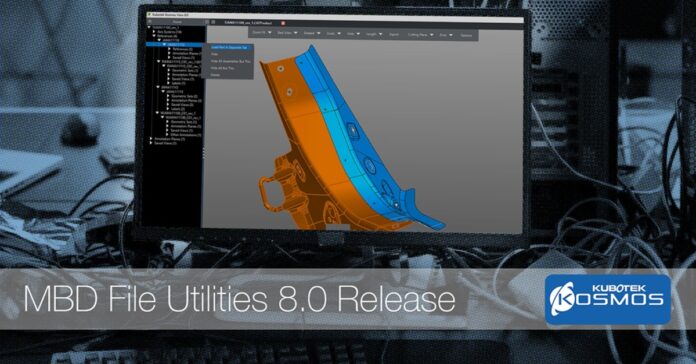
MARLBOROUGH, MA, USA, Mar 13, 2026 — Kubotek Kosmos, a leader in engineering and manufacturing geometric software technology, announced the 8.0 release of its ValidateRevisionConvert, and View products. These Model-Based Definition (MBD) file utility programs utilize proprietary Kubotek Kosmos modeling technology to support high-fidelity sharing of critical 3D CAD and Product Manufacturing Information (PMI) data across the manufacturing supply chain. Version 8.0 updates support for major CAD file formats, adds visualization of sectioned views, and expands report compliance marking options. The new software is available for customers to download immediately.

Saved Cutting Planes

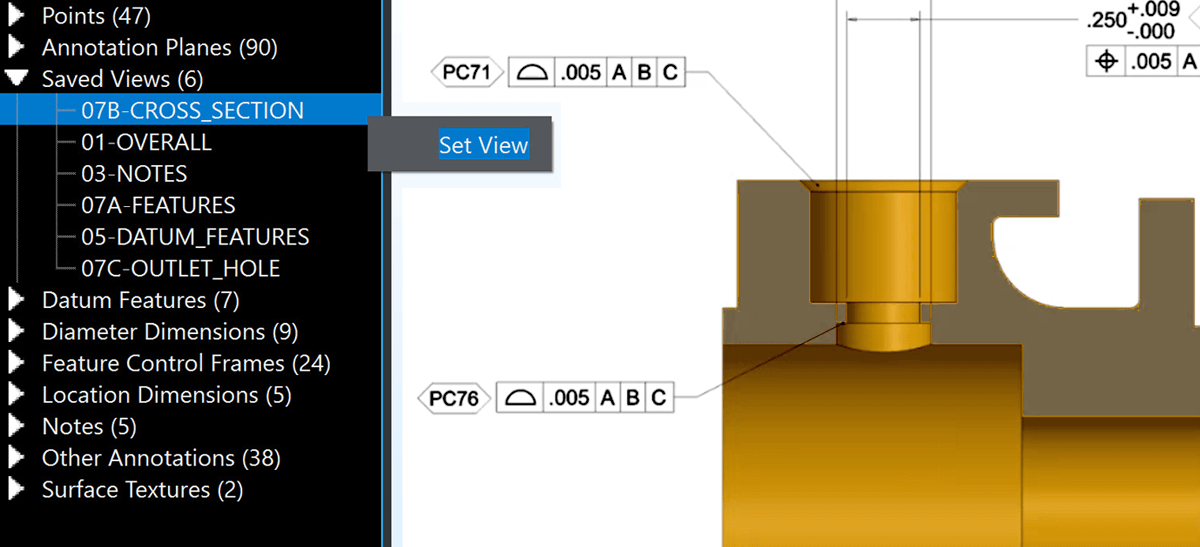
Model-based Definition views/captures stored in numerous CAD formats are easily accessed from the part tree of all four MBD Utility products. These views always have a saved 3D orientation and usually also define a set of visible annotations. In some cases, these views also have an active cutting plane which sections the part for improved visibility of interior features. For the 8.0 release all four products have added full support for these view cutting plane attributes. An example of such a view, which is now fully supported in the version 8.0 products, is shown below.

Inset from user interface of Kubotek Kosmos MBD Utilities showing new saved section view feature incorporated into 8.0 release to further aid in adoption of model-based practices

Controlled Unclassified Information (CUI) Markings

The 8.0 version of Kubotek Kosmos Validate software now provides options to insert CUI compliance marking text onto the program’s tamper-proof validation reports. This text is required for documents related to certain classes of engineering data designated as Controlled Unclassified Information by the Pentagon. The added features are in compliance with DOPSR 25-P-0275 published in December of 2024.

Updated CAD File Support

Reading of 3D CAD files across Kubotek Kosmos MBD utility software programs has been updated to support new versions of nine file formats:

  • Autodesk Fusion 2605.1.39
  • Autodesk Inventor 2026
  • Dassault Systemes (DS) CATIA V6/3DExperience 2026
  • DS SolidWorks 2026
  • ISO STEP AP242 Edition 4
  • PTC Creo 12.0
  • Siemens Digital Industries Software (SDIS) NX 22512
  • SDIS Parasolid V38
  • SDIS Solid Edge 2026

Reading of CKD files in the Validate and Revision products has also been extended to support the Kubotek Kosmos KeyCreator 2026 format.

About Kubotek Kosmos

Kubotek Kosmos empowers the supply chain with the right design information by delivering core precision 3D technologies and easy-to-use software products. This strategy allows product definition geometry, no matter where it originated, to be used to speed time to market, reduce costs and improve quality. Many of the world’s most advanced, complex aerospace component manufacturers rely on Kubotek Kosmos to assure precise part definitions are exchanged correctly between engineering systems.

Kubotek Kosmos is a division of Kubotek USA, Inc. with development and support staff based in Marlborough, Massachusetts. Kubotek USA, Inc. is a subsidiary of Kubotek Corporation (7709.T Tokyo Stock Exchange) with headquarters in Osaka, Japan. Kubotek software brands include KeyCreator MfgCAD, K-Compare and K-Display multi-CAD utilities, and the Kubotek Kosmos 3D framework. For more information, visit https://www.kubotekkosmos.com.

CLP Power Hong Kong, CityUHK Collaborate to Advance Metal 3D Printing Applications in Power Industry

0
City U Hong Kong

KOWLOON, Hong Kong, Mar 13, 2026 – CLP Power Hong Kong Limited (CLP Power) and the Hong Kong Branch of National Precious Metals Material Engineering Research Center (NPMM) at City University of Hong Kong (CityUHK) signed a Memorandum of Understanding (MoU) to promote the application of metal 3D printing technology in power generation equipment components. By combining CLP Power’s expertise in power engineering with CityUHK’s strengths in precious metal materials research, the collaboration aims to enhance the durability and usability of the components while fostering innovation in advanced technologies. 

To ensure the safe and reliable operation of power generation units, CLP Power engineering teams conduct regular maintenance, including renewal of components as needed. In some cases, where original equipment manufacturer parts are not readily available, CLP Power has used 3D printing technology to produce the required components. This provides flexible support for maintenance and enhances operational efficiency and cost effectiveness.

Under the MoU framework, CLP Power and CityUHK will strengthen technical exchanges to identify suitable applications of metal 3D printing technology in power stations. The collaboration will assess the feasibility of adopting new metal materials and advanced printing technologies to enhance the performance, durability and reliability of metal printed components, with a view to extending lifespans, optimising maintenance strategies, and strengthening the reliability and resilience of power generation system.

CLP Power Senior Director of Generation Mr Kevin Lau said, “CLP Power is pleased to collaborate with CityUHK, combining our expertise in power engineering with their advanced research in precious metal materials to drive the application of metal 3D printing in the power industry. This partnership aims to develop innovative and efficient maintenance solutions for power generation, enhancing the flexibility of spare parts supply and improving component performance, which will further strengthen the stability and reliability of our power generation system. CLP Power continues to adopt innovative technologies to optimise power station operations and asset management. We are confident that this collaboration with CityUHK will further enhance our operational efficiency and reinforce our commitment to providing world class power services to Hong Kong.” 

Professor Anderson Shum Ho-cheung, Vice-President (Research) of CityUHK, said, “CityUHK is dedicated to research that has a real-world impact, and this partnership marks a significant milestone in our long-standing relationship with CLP Power. Our goal is to apply metal design and printing technologies to ensure that components of power generation equipment operate with greater stability, longer lifespans and significantly greater efficiency. I am confident that this collaboration will strengthen Hong Kong’s position as a hub for engineering excellence and sustainable development.”

About CLP Power Hong Kong Limited

CLP Power Hong Kong Limited (CLP Power) is the Hong Kong utility subsidiary wholly owned by CLP Holdings Limited, a company listed on the Hong Kong Stock Exchange and one of the largest investor-owned power businesses in Asia. CLP Power operates a vertically integrated electricity supply business in Hong Kong, and provides a highly reliable supply of electricity and excellent customer services to more than six million people in its supply area.

About City University of Hong Kong 

City University of Hong Kong (CityUHK), recognised as the Most International University in the World for 2024 and 2025, stands as a young, innovative, and leading global university dedicated to research excellence and professional education. We rank among the top 100 universities worldwide across major rankings and are placed within the top 10 in Asia. Rooted in Hong Kong and publicly funded, CityUHK provides a dynamic platform for global talents through 11 Colleges and Schools, supported by advanced research institutes spanning Artificial Intelligence (AI), biomedicine, computing, and material sciences, among others. For more information, visit https://www.cityu.edu.hk.

Synopsys Launches Ansys 2026 R1 to Re-Engineer Engineering with Joint Solutions and AI-Powered Products

0
Synopsys logo

Release combines AI, multiphysics simulation, and real-world digital twin technology to transform how teams explore designs, validate earlier, and engineer smarter, more resilient systems

Key Highlights 

  • Delivers unified Synopsys-Ansys workflows that bring together previously separate engineering processes to create more cohesive and efficient product development
  • Advances generative AI and first agentic engineering capabilities that speed design exploration, automate preprocessing, and enable faster, system‑level insight
  • Enhances system-level engineering with expanded digital twin capabilities and connected modeling workflows that deliver deeper real-world insight across complex systems

SUNNYVALE, Calif., March 11, 2026 /PRNewswire/ — Synopsys, Inc. (NASDAQ: SNPS) today launched Ansys 2026 R1, delivering the first wave of integrated Synopsys-Ansys capabilities built on nearly a century of combined engineering expertise. The release also expands the Ansys simulation AI portfolio with a new, AI-enhanced training offering designed to make learning more effective and efficient, along with advanced AI features that help engineering teams gain earlier system‑level insight, reduce reliance on physical testing, and optimize performance across increasingly complex, software‑defined products.

“The transition to intelligent, interconnected systems is driving the need for faster, physics-first, system-level design,” said Ravi Subramanian, Chief Product Management Officer at Synopsys. “By bringing Synopsys and Ansys technologies together, we’re moving beyond point-to-point connections to create a unified fabric that links materials, physics, electronics, and software into a seamlessly orchestrated design environment. Synopsys enables organizations to move from concept to reality with extreme speed, empowering engineering teams and customers to innovate with confidence.”

Joint Solutions Accelerating the Future of Systems-Aware Engineering

Ansys 2026 R1 marks the beginning of a new era for engineering shaped by rising system complexity, AI‑driven product demands, and the industry’s shift to early validation. To meet these pressures, Synopsys introduces targeted, system‑aware integrations between select Synopsys and Ansys technologies, delivering high‑impact workflows that accelerate early exploration, improve cross‑domain collaboration, and provide deeper insight across key industries.

New Synopsys-Ansys joint solutions delivered in the Ansys 2026 R1 release include:

  • Synopsys VC Functional Safety Manager (VC FSM) and Ansys medini® analyze™ software are now connected by an end‑to‑end safety workflow that links system‑level and silicon‑level safety analysis. The integration streamlines collaboration among system safety and chip safety verification engineers by automating traceability from systems to chip. The workflow also eliminates manual data sharing processes between tools, saving time for critical applications in automotive and aerospace safety.
  • Synopsys QuantumATK® and the Ansys Granta MI® platform are integrated for an atomic-scale-to-enterprise materials workflow that supports material discovery, novel material development, and manufacturing process improvement. The integration streamlines collaboration among materials scientists and design engineers by enabling direct export of simulation-ready, validated material properties into Granta MI. This repeatable workflow creates curated, consistent materials records that help teams predict performance earlier and make more data-driven decisions.
  • Synopsys OptoCompiler™ and Ansys Lumerical FDTD™ software are integrated to create a design workflow connecting device‑level photonic design with advanced system‑level optical simulation. The integration improves collaboration between device designers and system‑level photonic engineers by automating Verilog‑A model generation and ensuring consistent optical behavior across tools. The workflow also eliminates manual data translation between design and simulation environments, saving time and improving reliability for advanced photonic applications.
  • In addition to the Ansys SCADE® model-based software development solution, Synopsys offers TPT, a robust test automation solution for control software. Together, these synergistic technologies help customers strengthen their development workflows, streamline verification, and accelerate the delivery of high‑quality, reliable embedded systems. SCADE delivers a rigorous, safety-critical software development environment, and TPT enables automated test generation, execution, and analysis — empowering teams to accelerate iteration, strengthen early validation, and improve the quality of complex control software. Both solutions combined can reduce manual verification effort and increase automation for customers building mission-critical control systems across domains, including advanced driver assistance, electrified powertrains, flight control, engine control, and avionics systems.

“Modern automotive microcontrollers and processors integrate increasing levels of functionality, safety mechanisms, and configurability,” said Tina Lamers, VP Global Safety at NXP Semiconductors. “Their contribution to system safety can only be fully understood when device-level safety analysis is seamlessly integrated into ECU and vehicle-level safety concepts. This makes functional safety a shared responsibility across silicon vendors, tier 1 suppliers, and original equipment manufacturers (OEMs).”

Drive Earlier, Smarter Design Iteration with AI-Powered Digital Engineering

Ansys 2026 R1 introduces generative AI and the portfolio’s first agentic capabilities, bolstering an AI‑enhanced portfolio that accelerates validation, speeds design exploration, and automates complex workflows — empowering engineering teams with smarter, faster insight at every stage of development.

Ansys GeomAI platform for geometry introduces a generative AI‑driven approach to conceptual design exploration, enabling engineering teams to rapidly generate, evaluate, and refine geometry concepts with greater creativity and efficiency. By learning directly from reference designs, GeomAI helps engineers accelerate early‑stage innovation while preserving engineering intent to ensure AI-generated concepts remain predictable, reliable, and ready for downstream validation.

In addition, Mesh Agent, a new feature in Ansys Mechanical™ software available for exploratory use, helps engineers debug and resolve meshing failures during model pre-processing. The agentic feature guides engineers with proven, validated remediation steps to increase confidence in automated pre-processing.

Now advancing through early customer evaluations, the Discovery Validation Agent in Ansys Discovery™ software applies agentic AI grounded in decades of engineering expertise to proactively identify setup issues using contextual intelligence and industry best practices, empowering engineers to confidently move faster, avoid costly mistakes, and achieve higher‑performing designs from the start.

More AI updates in Ansys 2026 R1 include:

  • The Ansys SimAI™ platform for simulation now features two offerings: the original product, Ansys SimAI Premium SaaS, and Ansys SimAI Pro, built for desktop access for projects that require local data storage.
  • Ansys SimAI connectors in Ansys optiSLang® software allow an end-to-end workflow, from training data generation, AI training, and AI use for optimization and design studies.
  • Ansys Engineering Copilot™ is now available in Ansys medini analyze, Ansys ModelCenter®, and Ansys Rocky™ software, delivering intelligent, AI‑guided assistance directly within the user interface.
  • A new integration between optiSLang and Discovery creates a streamlined, AI‑ready workflow for rapid sensitivity analysis and one‑click optimization, helping engineers explore design alternatives early before validating concepts in Mechanical, Fluent, or Ansys Icepak® software.

“Ansys simulation metamodeling is transforming the way we approach power‑grid design,” said Venu Kondapalli, Vice President, Silicon Design Engineering at Altera. “Altera is always pathfinding on latest AI models. By combining machine‑learning insights on optiSLang with fast, guided optimization, we can quickly pinpoint the right balance of metal resources while maintaining power‑grid integrity and reliability. This lets us converge place‑and‑route faster, reduce costly design iterations, and move to closure with far greater confidence.”

Connect Systems and Optimize Performance with Real World Digital Twins

R1’s expanded digital twin innovations give organizations deeper real‑world insight before physical prototyping. Ansys TwinAI™ software introduces new fusion modeling methods that better align simulation data with sensor and test information, along with a temporal fusion transformer that strengthens large‑scale time‑series modeling and training efficiency. A new TwinAI reduced‑order model (ROM) wizard guides teams through the creation and deployment of high‑fidelity ROMs, accelerating the delivery of real‑time digital twins. In addition, enhancements to Ansys AVxcelerate Sensors™ software, including a new GPU‑accelerated multispectral light‑propagation engine and expanded NVIDIA Omniverse integration, create a unified, 3D digital twin pipeline, more physically accurate camera behavior, surface reflections, and edge‑case realism across scenarios.

“Ansys reduced‑order modeling techniques — including linear time‑invariant (LTI) and linear parameter‑varying (LPV) methods — are essential to building our digital twin,” said Dr. Bogdan C. Ionescu, Senior Principal Key Expert in the Power Electronics Group at Innomotics. “This digital twin runs extremely fast and gives us critical insight into quantities we cannot measure directly, such as the internal temperatures of insulated gate bipolar transistors inside power cells. By delivering these results in real time, the digital twin can provide the drive controller with the information needed to operate safely and efficiently.”

Additional digital twin, model-based systems engineering (MBSE), and digital engineering updates include:

  • Ansys CoSim, a new distributed co‑simulation product, connects multiple system‑level tools in a coordinated workflow that lets each subsystem run in its native environment while exchanging data seamlessly. Its synchronization algorithms enable independent timesteps for fast, accurate multiphysics validation, improving interoperability and accelerating system‑level analysis across system simulation, MBSE, and autonomous development.
  • Ansys HFSS‑PI introduces a new broadband 3D power integrity simulation capability with the performance required to overcome today’s IC, package, and board power‑delivery challenges. Purpose‑built for next‑generation chip‑package integration, higher‑density layouts, and advanced 3D packaging, HFSS‑PI enables large‑scale 3D power integrity analysis with deep insight into complex coupling mechanisms and return‑path behavior.
  • An enhanced connection between Ansys System Architecture Modeler (SAM)™, a SysML v2 web platform, and Ansys ModelCenter automates execution of SysML v2 model expressions alongside external analysis tools — eliminating the need to manually translate hundreds of expressions into scripts and allowing teams to accelerate requirement verification and design‑space exploration.
  • Embedded software development teams can now import Ansys SCADE Display® design tool models directly into Ansys Systems Tool Kit® (STK®) software, enabling display behavior to relate to mission‑level elements for high‑fidelity, system‑in‑the‑loop assessment.
  • Updates to Ansys HFSS-IC™ platform include a Synopsys user interface that replaces legacy workflows and delivers the speed and capacity needed to import die‑scale and interposer‑level designs. The modern UI also enables direct OpenAccess‑based design import for single‑ and multi‑die simulations, streamlining interoperability and boosting IC‑designer productivity.
  • Ansys FreeFlow™ software expands its capabilities with a powerful meshless computational fluid dynamics approach that delivers fast, robust performance without the need for traditional meshing for complex free‑surface flows, spray behavior, and dynamic liquid interactions.
  • Antenna Wizard, a new feature in STK available for early adoption, streamlines antenna modeling with fast, automated setup. It can quickly generate high‑fidelity antenna representations to guide early mission analysis and provide antenna engineers with a strong starting point for detailed Ansys HFSS™ software design.

Follow Synopsys Converge 2026 News and Updates
Synopsys Converge is taking place March 11-12, 2026, at the Santa Clara Convention Center. Follow news and updates as well as keynote details and replays via the Synopsys Converge Newsroom, on LinkedIn, and on X.

About Synopsys

Synopsys, Inc. (Nasdaq: SNPS) is the leader in engineering solutions from silicon to systems, enabling customers to rapidly innovate AI-powered products. We deliver industry-leading silicon design, IP, simulation and analysis solutions, and design services. We partner closely with our customers across a wide range of industries to maximize their R&D capability and productivity, powering innovation today that ignites the ingenuity of tomorrow. Learn more at www.synopsys.com

© 2026 Synopsys, Inc. All rights reserved. Synopsys, Ansys, the Synopsys and Ansys logos, and other Synopsys trademarks are available at https://www.synopsys.com/company/legal/trademarks-brands.html. Other company or product names may be trademarks of their respective owners.

SOURCE Synopsys, Inc.

Mitras Manufacturing Plant in Mexico Becomes First Siemens Factory Worldwide to Achieve LEED Platinum Certification

0
Siemens Mitras

NUEVO LEON, Mexico, Mar 13, 2026 – The Siemens Mitras manufacturing plant in Santa Catarina, Nuevo León, has earned the Platinum certification, the highest distinction granted by the Leadership in Energy and Environmental Design (LEED) rating system for sustainable buildings. The 18,700‑square‑meter complex, has become the first Siemens factory worldwide to obtain LEED Platinum, setting a new global benchmark for sustainable, energy‑efficient industrial facilities across the company’s manufacturing network. It also stands as the first industrial building in Mexico to achieve LEED Platinum for Building Design and Construction: New Construction under LEED version 4 (LEED v4).

Inaugurated in 2024 as part of Siemens’ strategy to strengthen and expand its production capabilities in northern Mexico, the premises are one of the company’s most advanced manufacturing facilities in the region. Here, the plant carries out plastic injection molding and manufactures low‑voltage electrical components—key elements used in circuit protection and electrification technologies that help build more efficient and resilient infrastructure around the world.

Siemens emphasized that achieving LEED Platinum demonstrates how industrial competitiveness and sustainability can advance together. Alejandro Preinfalk, President and CEO of Siemens Mexico, Central America and the Caribbean, and Marco Cosío, Vice President of Smart Infrastructure for the region, highlighted that Mexico is a strategic hub for the company and that this milestone reflects how innovation, digitalization, and responsible operations are shaping the future of industries.

Siemens Mexico

“Just as we support our customers accelerate their digital and sustainability transformation, we are driving our own transformation at speed and scale. Our LEED Platinum certification for our Mitras manufacturing plant is a blueprint for the future of sustainable manufacturing”, said Judith Wiese, Chief People and Sustainability Officer (CPSO) and Member of the Managing Board of Siemens. “Mexico is central to bringing this future to life: a strategic hub with highly skilled people enabling Siemens to deliver innovation at scale for our customers while advancing our commitment to a more sustainable, resilient world”.

The Mitras factory integrates a wide range of Siemens technologies for digitalization and sustainable infrastructure, including advanced automation systems, digital monitoring platforms and energy management solutions that optimize production processes, improve operational transparency and energy efficiency across the shopfloor.

By implementing these Siemens technologies and sustainable design principles, the site has reduced power consumption by approximately 40% compared to reference industrial buildings, generates around 800 MWh of renewable energy annually through on‑site solar production, and cuts CO₂ emissions by roughly 2,740 tons each year. The facility also incorporates energy-efficient building systems, advanced monitoring and smart infrastructure solutions, creating an integrated environment where digitalization and sustainability work together to optimize industrial performance.

LEED is the world’s most widely used green building certification system, applied in more than 180 countries to evaluate projects on criteria such as energy efficiency, water management, material sustainability, and overall environmental performance. Platinum is the highest rating within the system, reserved for projects that demonstrate exceptional results across these sustainability metrics.

Siemens Real Estate (SRE), which developed and executed the construction project from the outset, continues to set global benchmarks for sustainable construction and responsible site development. A long‑standing user of the LEED rating system, SRE has delivered more than 70 LEED‑certified projects totaling 1.2 million square meters worldwide, consistently driving high environmental standards and strengthening the long‑term sustainability of Siemens’ global real estate portfolio.

Mexico: A key hub in Siemens’ global strategy

With more than 130 years of presence in the country, Siemens has found in Mexico a strategic partner for its global growth. The Mitras project reinforces this long-term commitment: its production capacity serves markets across North America, its sustainable operating model inspires customers and industries across the region, and its adoption of advanced technologies positions Siemens Mexico as an innovation node within the company’s global manufacturing network.

This milestone also builds on other recent recognitions of Siemens’ manufacturing presence in the country. In November 2025, the company received the “Made in Mexico” certification from the Ministry of Economy, a distinction that highlights the quality, innovation, and national technological value of the products the organization manufactures in Mexico, further reinforcing its contribution to the development of the country’s industrial sector.

Siemens AG

Siemens AG (Berlin and Munich) is a leading technology company focused on industry, infrastructure, mobility, and healthcare. The company’s purpose is to create technology to transform the everyday, for everyone. By combining the real and the digital worlds, Siemens empowers customers to accelerate their digital and sustainability transformations, making factories more efficient, cities more livable, and transportation more sustainable. A leader in industrial AI, Siemens leverages its deep domain know-how to apply AI – including generative AI – to real-world applications, making AI accessible and impactful for customers across diverse industries. Siemens also owns a majority stake in the publicly listed company Siemens Healthineers, a leading global medical technology provider pioneering breakthroughs in healthcare. For everyone. Everywhere. Sustainably.

In fiscal 2025, which ended on September 30, 2025, the Siemens Group generated revenue of €78.9 billion and net income of €9.0 billion. As of September 30, 2024, the company employed around 318,000 people worldwide on the basis of continuing operations. Further information is available on the Internet at www.siemens.com

CityUHK Researchers 3D-Prints Mechanoelectrical Smart Materials inspired by Sea Urchins

0
Professor Lu Jian

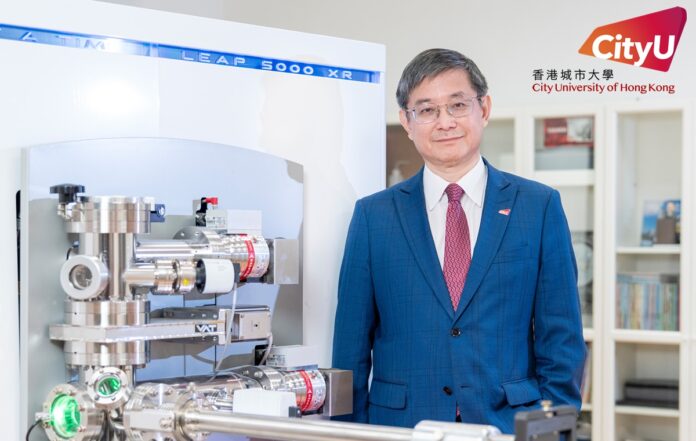
KOWLOON, Hong Kong, Mar 13, 2026 – A research team led by Professor Lu Jian, Dean of the College of Engineering and Chair Professor in the Department of Mechanical Engineering at City University of Hong Kong (CityUHK), has discovered for the first time that the naturally occurring porous ceramic structure within sea urchin spines possesses an unexpected capability for mechanoelectrical perception. 

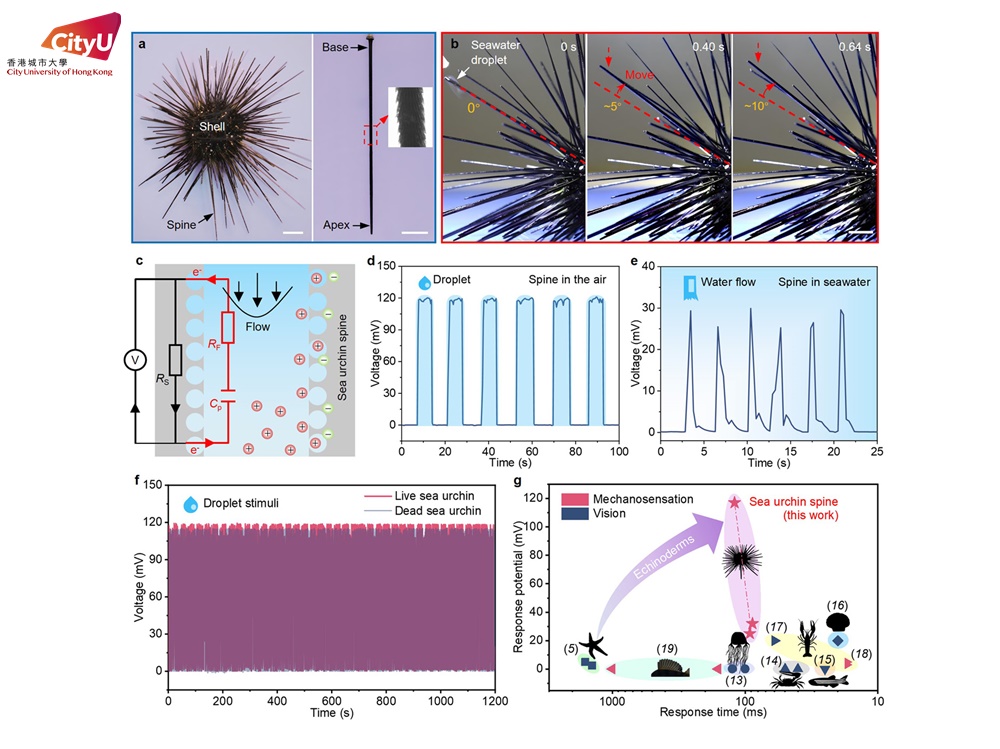
The team revealed that when water droplets or flowing water passes over the spine’s surface, its gradient cellular structure instantaneously generates measurable voltage signals. The response speed is remarkably efficient — more than a thousand times faster than echinoderm visual perception.

Inspired by this natural architecture, the team combined biomimetic structural design with advanced 3D printing technology to replicate and enhance this capability, opening new avenues for next-generation smart sensing and underwater monitoring materials.

The study, titled “Echinoderm stereom gradient structures enable mechanoelectrical perception”, was recently published in the prestigious international journal Nature.

CityUHK1
In situ observation of mechanoelectrical perception in the living sea urchin spine

Through in situ observations of the long-spined sea urchin (Diadema setosum), the researchers found that when a seawater droplet falls onto the spine’s apex, the spine rotates rapidly within approximately one second, demonstrating a highly sensitive tactile response. Subsequent voltage measurements revealed that droplet stimulation induces a transient potential of approximately 100 mV, while flowing water triggers stable electrical signals. The entire response occurs within tens of milliseconds. Notably, even in the absence of any viable cellular tissue, the spines still produce the same voltage response, confirming that this perception capability stems from the intrinsic physical mechanism of the material and its microstructure rather than from neural or biological tissues.

CityUHK
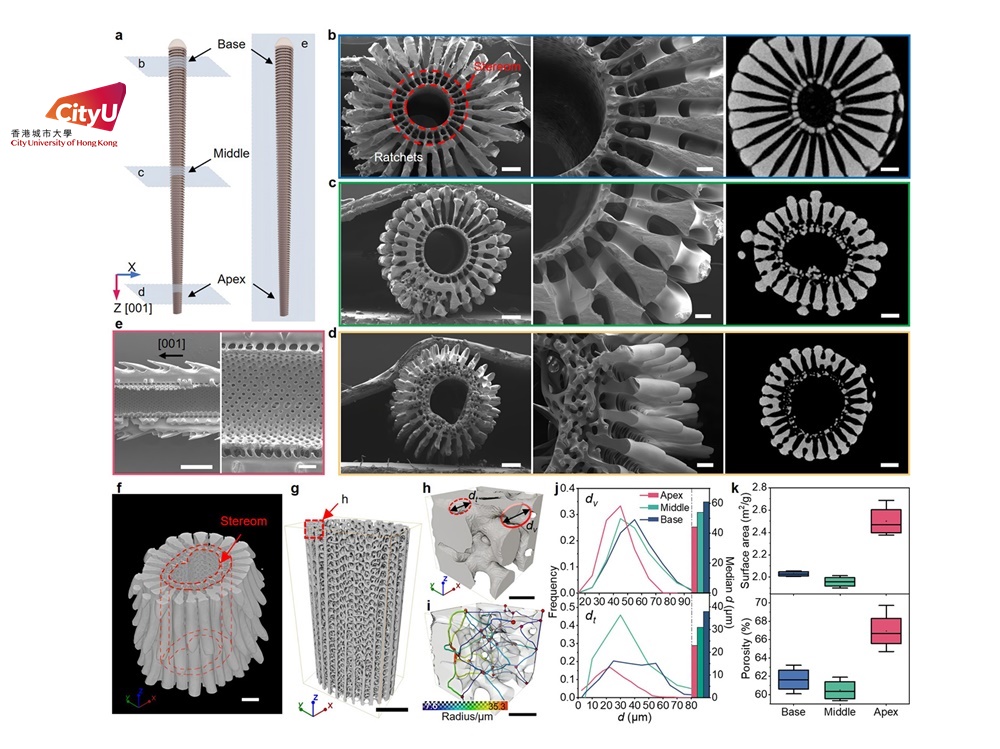
Analysis of the gradient stereom porous structure in sea urchin spines

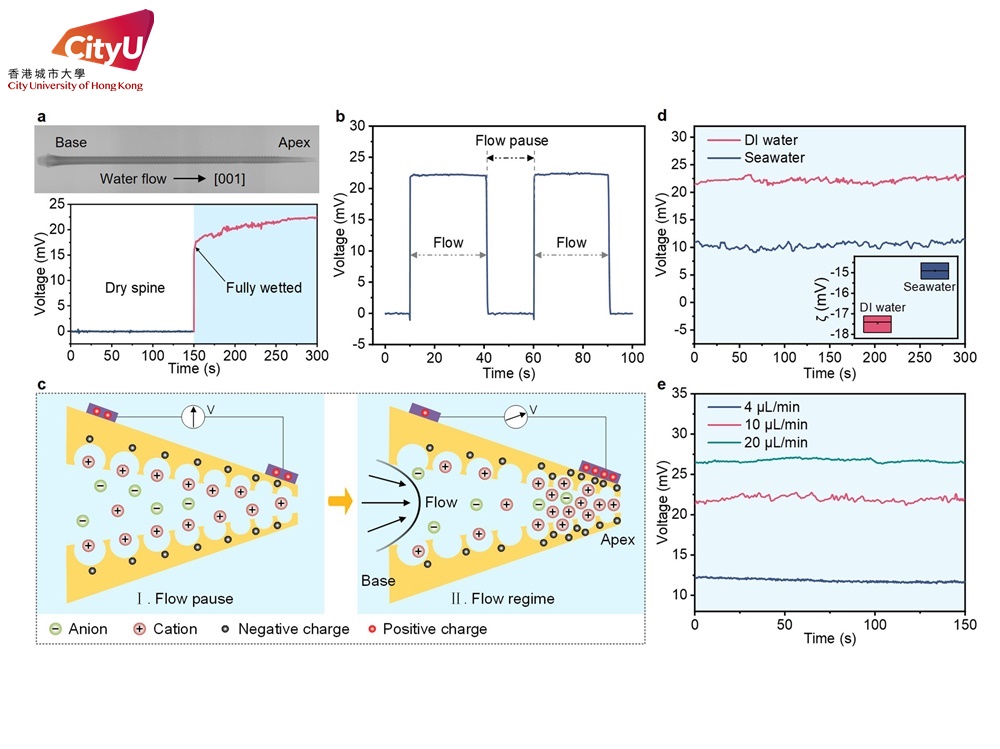
Scanning electron microscopy and micro-computed tomography analyses revealed that the spine consists of a bicontinuous porous skeleton, known as stereom, which exhibits a pronounced gradient in pore size along the spine axis. Compared with the base, the apex region features smaller pore diameters, higher porosity and greater specific surface area, enhancing solid–liquid interfacial charge separation when fluid flows through. As water moves through these microchannels, an electric double layer forms at the interface, generating a streaming potential that is converted into measurable voltage signals, effectively enabling the spine to function as a natural microscale sensor.

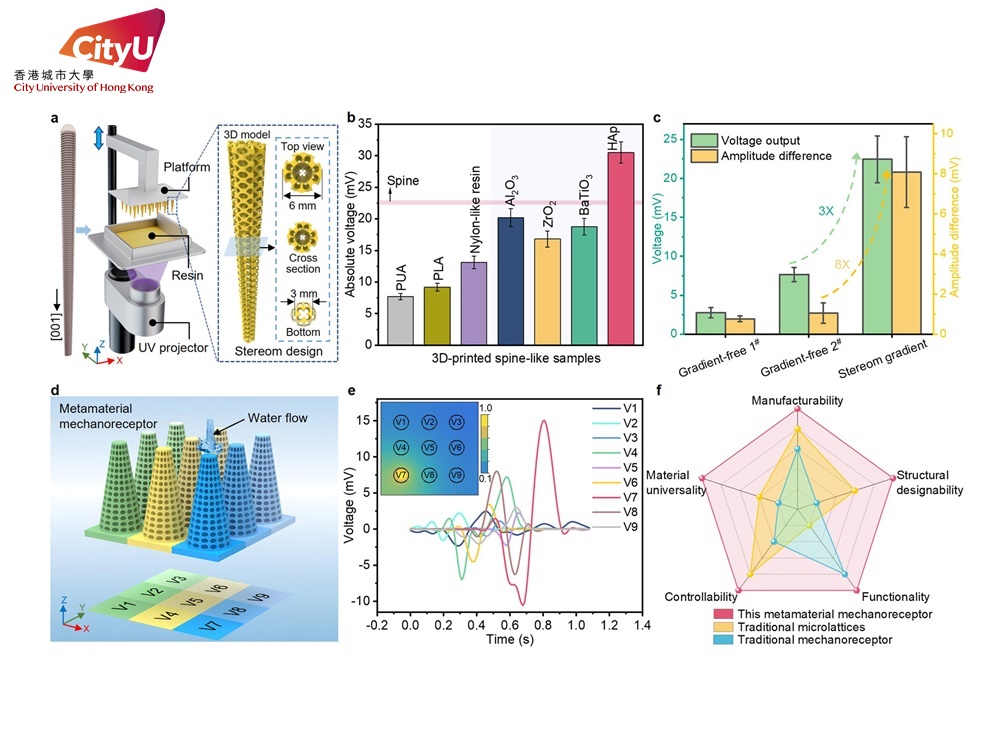
To verify the generality of this structure-induced phenomenon, the team fabricated biomimetic gradient porous polymer and ceramic samples using vat photopolymerization 3D printing. Experimental results showed that compared to gradient-free structures, the biomimetic gradient designs exhibited a threefold increase in voltage output and an eightfold increase in signal amplitude. These findings show that mechanoelectrical perception is governed primarily by topological structure rather than material composition. The researchers then constructed a biomimetic metamaterial mechanoreceptor comprising multiple gradient units. This device is capable of real-time detection of underwater flow direction and intensity with time-resolved self-monitoring, without the need for external sensors or power supplies.

CityUHK
Generality, practicality and applicability of mechanoelectrical perception enabled by gradient cellular structures

“Through biomimetic structural design and 3D printing, we have successfully translated nature’s wisdom into smart materials,” said Professor Lu. “Our goal in fabricating biomimetic functional materials is to extend this structure–function integration concept found in nature into engineered systems, paving the way for a new generation of self-sensing intelligent materials.”

CityUHK
Mechanism of mechanoelectrical perception within the sea urchin spine

This study challenges the conventional view that natural porous structures serve primarily mechanical functions, revealing their latent sensing capabilities and providing new insights into structure–function integrated material design. With continued advances in 3D printing technologies, these biomimetic gradient porous structures hold strong potential for applications in marine environmental monitoring, intelligent underwater exploration, water resource management, energy storage, biomedical devices and aerospace engineering, forming a foundational platform for next-generation of integrated structural/ functional materials.

This study is a collaborative effort between CityUHK, The Hong Kong Polytechnic University, and Huazhong University of Science and Technology.

About City University of Hong Kong

City University of Hong Kong (CityUHK), recognized as the Most International University in the World for 2024 and 2025, stands as a young, innovative, and leading global university dedicated to research excellence and professional education. We rank among the top 100 universities worldwide across major rankings and are placed within the top 10 in Asia. Rooted in Hong Kong and publicly funded, CityUHK provides a dynamic platform for global talents through 11 Colleges and Schools, supported by advanced research institutes spanning Artificial Intelligence (AI), biomedicine, computing, and material sciences, among others. For more information, visit https://www.cityu.edu.hk.

Hexagon Appoints Board for Octave

0
Octave new

STOCKHOLM, Sweden, Mar 12, 2026 – Hexagon AB today announced the appointment of the board of directors of its potential spin-off company, Octave Intelligence plc. The Octave Board brings together senior leaders with experience building and operating global technology platforms, scaling enterprise software businesses, strengthening operational resilience, and governing public companies across industrial and digital markets:

Brett D. Watson, Chair of the Board of Directors is President of Koch Equity, LLC, overseeing several Koch-affiliated investment groups and their diverse global portfolios. Mr. Watson is also an officer of Koch, Inc., where he serves as Vice President, Equity Development with responsibility for corporate development and M&A activity across the firm. Mr. Watson brings extensive experience in capital allocation, business scaling, and board leadership.  He currently serves on the boards of Getty Images, Infor, MITER Brands, Molex, and Transaction Network Services. Mr. Watson previously served on the board of Hexagon AB from 2021 until 2024.

Magnus Ahlqvist, Director has served as President and Chief Executive Officer of Securitas AB since 2018, leading significant transformations across the company’s global service operations. Mr. Ahlqvist brings deep international operating experience from prior senior leadership roles at Motorola Mobility, Sony and Ericsson, as well as extensive expertise in global business management. He is also chairman at the International Security Ligue.

David J. Hollister, Director is a seasoned financial executive with extensive experience in financial management, operations, and investment oversight. He previously served in senior leadership roles at Bentley Systems, including Chief Financial Officer, Chief Operations Advancement Officer and Chief Investment Officer, and currently serves on the board of iDEAL Semiconductor and the advisory board for InEight Software. Mr. Hollister is a Certified Public Accountant.

Meerah Rajavel, Director is Chief Information Officer of Palo Alto Networks and a recognized leader in cybersecurity, information technology, and digital transformation. Ms. Rajavel brings extensive operating and governance experience from prior chief information officer roles and public company board service, including service on audit and compensation committees.

Jill D. Smith, Director is a seasoned leader with over 30 years of experience leading and governing global technology and data-driven companies, including having previously served as Chair of the board of AspenTech. Ms. Smith is a former chief executive officer and currently serves on the boards of Securitas AB, Evolent Health, Check Point Software, and MDA Space. She was previously a board member of Hexagon AB from 2013 until 2017.

Mattias Stenberg, Director is Chief Executive Officer of Octave and was previously President of Hexagon’s Asset Lifecycle Intelligence and Safety, Infrastructure & Geospatial divisions. Mr. Stenberg held leadership roles in strategy, M&A, and corporate development at Hexagon AB and currently serves as a board member at Sinch AB.

All of the above members of the Octave Board, other than Mr. Stenberg, are expected to be considered independent under the listing rules of the Nasdaq Global Select Market and Nasdaq OMX Stockholm.

“Octave is entering the market with a Board that reflects the scale, responsibility, and operational rigor required to support customers running mission critical assets,” said Brett Watson, Chair of the Board, Octave. “This group brings real operating experience across industrial markets and software platforms, along with disciplined capital allocation and governance. We share the goal of building a resilient, independent company dedicated to delivering durable, long-term value creation.”

“It is a privilege to work with a Board of this caliber,” said Mattias Stenberg, Chief Executive Officer and director of Octave. “Their depth of experience raises the bar on how we operate and ultimately makes us better partners to the customers who depend on our platforms every day.” 

The Board will support Octave’s strategy to deliver solutions that give asset owners and operators the intelligence and insight to improve safety, uptime, sustainability, and long-term performance across energy, infrastructure, manufacturing, utilities, and public sector markets. The separation, spin-off and listing remain subject to this ongoing process and final approval of the Hexagon board and shareholders, as well as being subject to other conditions, consents and regulatory approvals. There can be no assurance that a separation, spin-off or listing will occur.

About Hexagon

Hexagon is the global leader in measurement technologies. We provide the confidence that vital industries rely on to build, navigate, and innovate. From microns to Mars, our solutions ensure productivity, quality, safety, and sustainability in everything from manufacturing and construction to mining and autonomous systems.

Hexagon (Nasdaq Stockholm: HEXA B) has approximately 24,800 employees in 50 countries and net sales of approximately 5.4bn EUR. Learn more at hexagon.com.

About Octave

Octave provides mission-critical software that empowers organizations to make informed decisions across every stage of the asset lifecycle — Design, Build, Operate and Protect — where performance, safety, and reliability are non-negotiable and failure is not an option.

Turning complex operational data into actionable intelligence, Octave connects expertise, real-world conditions and enterprise-scale insight to improve performance, resilience and incident response where it matters most.

Octave has approximately 7,200 employees in 45 countries. Learn more at octave.com and follow us on LinkedIn.