CAPE TOWN, South Africa, May 19, 2026 – Bentley Systems, Inc., (Nasdaq: BSY), the infrastructure engineering software company, today announced a landmark partnership with the Western Cape Government, Department of Infrastructure to implement its AI-powered Blyncsy technology across strategic sections of the provincial road network. This initiative, a first for Blyncsy on the African continent, will monitor approximately 5,000 kilometers of roadway, using automated computer vision to detect critical infrastructure issues.
Facing limited budgets and growing risks from weather-related impacts, the department is investing in smarter, more proactive technology to enhance road safety and protect mobility. Recent extreme flooding events have isolated entire towns, highlighting the urgent need for a more resilient approach to asset management.
By deploying Blyncsy, an offering within Bentley’s Asset Analytics portfolio, the department is moving toward a future-proof acceleration agenda. The technology uses crowdsourced dash camera imagery and machine learning to automatically identify damaged guardrails, missing street signs, faulty streetlights, and debris. Crucially, the system can also monitor vegetation encroachment, a key factor in maintaining visibility and preventing road obstructions during the province’s increasingly frequent storm cycles.
This data-driven approach directly supports the Roads4U campaign and the Western Cape Infrastructure Framework 2050, which prioritizes innovation and strategic partnerships to maximize a R4.56 billion transport budget. By automating inspections, the department can now identify and rectify hazards, such as potholes and drainage-blocking debris, before they escalate into costly repairs.
“Providing safe and resilient infrastructure is the foundation of economic opportunity in the Western Cape, particularly as we manage the impacts of climate change on our road network,” said Johannes Neethling, Chief Engineer for Transport Infrastructure Systems for the Western Cape. “By integrating Blyncsy’s AI technology, we are gaining a level of visibility that was previously impossible. This allows us to maintain a precise digital inventory of our assets, from guardrails to streetlights, ensuring that our maintenance crews are deployed where they are needed most. This isn’t just about better data; it’s about a proactive commitment to keeping our roads open and our citizens safe.”
“The expansion of Blyncsy into Western Cape of South Africa represents a pivotal step in our mission to provide global transportation agencies with real-time visibility into the state of their infrastructure,” said Mark Pittman, Senior Director of Transportation AI at Bentley Systems. “Western Cape is leading the way on the African continent by embracing empirical evidence to drive financial and operational decisions. As we look toward bringing this technology to more markets worldwide, our goal remains clear: to replace historical precedent with AI-driven insights that reduce risk, lower costs, and ultimately save lives. We are proud to partner with a department that is so clearly focused on building a resilient future.”
About Bentley Systems
Around the world, infrastructure professionals rely on software from Bentley Systems to help them design, build, and operate better and more resilient infrastructure for transportation, water, energy, cities, and more. Founded in 1984 by engineers for engineers, Bentley is the partner of choice for engineering firms and owner-operators worldwide, with software that spans engineering disciplines, industry sectors, and all phases of the infrastructure lifecycle. Through our digital twin solutions, we help infrastructure professionals unlock the value of their data to transform project delivery and asset performance. For more information, visit https://www.bentley.com.
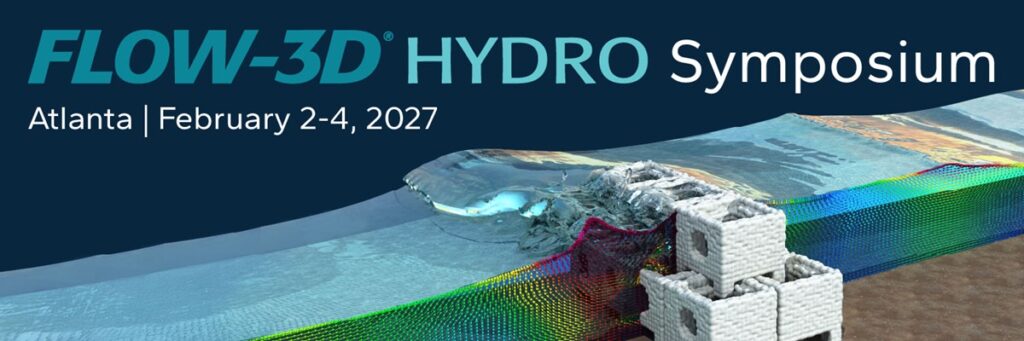
SANTA FE, NM, USA, May 19, 2026 – Flow Science, Inc. has announced its 2027 FLOW-3D HYDRO Symposium, taking place February 2–4, at The American Hotel in Atlanta, GA. The event brings together FLOW-3D HYDRO users from across the industry to exchange technical insights and deepen their modeling expertise.
Building on the success of the inaugural symposium held in 2025, the 2027 event places a stronger emphasis on technical skill development. The program will include dedicated training sessions on topics central to accurate simulation of complex hydraulic systems alongside a hands-on post-processing workshop designed to help attendees get more out of their simulation results. User presentations and an expanded poster session will span a range of water infrastructure applications, reflecting the breadth of ways FLOW-3D HYDRO is being applied in practice and research. Attendance certificates will be provided for those seeking PDH credits.
“Water infrastructure projects demand results that can withstand scrutiny, and that starts with sound modeling practice. The Symposium is designed to give practitioners the technical grounding they need to apply FLOW-3D HYDRO with confidence, produce defensible results, and stay current with the guidance and methodologies that matter most in this field,” said Dr. Dan Gessler, PE, Global Lead for Water Infrastructure at Flow Science.
Open to FLOW-3D HYDRO users and the broader water infrastructure community, the Symposium will encourage peer exchange as well as formal instruction. The opening reception and poster session takes place February 2, with technical sessions and training February 3–4, and a conference dinner on February 3. Abstracts are now being accepted, and early-bird registration is open.
“The FLOW-3D HYDRO user community has grown remarkably and so has the software. We have some genuinely exciting developments to share at the 2027 Symposium, and I can’t think of a better setting than Atlanta to bring this community together, learn from each other, and get a look at where FLOW-3D HYDRO is headed. Whether you’re a longtime user or just getting started, I encourage you to join us in February,” said John Wendelbo, President of Flow Science.
The 2027 Symposium features two presentation formats: live speaker slots and poster presentations during the opening reception. Submit an abstract to be considered as a speaker or poster presenter. All accepted speakers and poster authors receive one complimentary registration. The abstract submission deadline is September 15, 2026. Abstracts will be accepted on a rolling basis, so early submissions are encouraged.
Flow Science, Inc. is a privately held software company specializing in computational fluid dynamics software for industrial and scientific applications worldwide. Flow Science has distributors and technical support services for its FLOW-3D products in nations throughout the Americas, Europe, Asia, the Middle East, and Australasia. Flow Science is headquartered in Santa Fe, New Mexico.
ANDOVER, MA, USA, May 19, 2026 – Aras, a leading provider of digital thread solutions for product lifecycle management (PLM) and engineering AI, announced its 2026 Aras Connect Tour, a global event series focused on the theme “Adaptive Intelligence: AI, PLM, and the Future of Product Development.” The 2026 tour includes stops in Tokyo, Osaka, Stockholm, Milan, Paris and Frankfurt, and will expand into Taiwan and Australia for the first time with new events in Taipei, Canberra, and Brisbane, reflecting growing interest in AI-enabled product development and digital thread strategies across those regions.
Innovation today requires more than connecting people, processes, and data. It demands systems that can learn, adapt, and provide context in real time. The event series will explore how AI-native PLM and intelligent digital threads enable organizations to move faster, reduce coordination complexity, and make more informed decisions earlier in the product lifecycle. Attendees will learn from real-world customer examples, gain practical insights from industry experts, and discover approaches for building more intelligent and adaptable product development processes.
Attendees will gain insight into how organizations are moving beyond disconnected tools and static processes through product development approaches enabled by AI and the digital thread. Sessions will cover emerging approaches to AI-assisted engineering, lifecycle intelligence and real-time decision support, as well as practical strategies for scaling these capabilities across global organizations.
Select tour stops will also include a Tech Summit for developers and technical users, with sessions led by Aras engineers and community members.
The events will take place on the following dates:
Tokyo: June 16
Canberra: August 11
Brisbane: August 13
Taipei: September 3
Osaka: September 16
Stockholm: October 6–7
Paris: October 13–14
Frankfurt: October 21–22
Milan: November 5
“AI is creating new opportunities across engineering and product development, but it’s also exposing the limits of disconnected systems and fragmented processes,” said Leon Lauritsen, CEO of Aras. “Aras Connect 2026 brings together our global community to explore how AI-native PLM and intelligent digital threads are enabling organizations to move faster, improve coordination and make more confident decisions across the product lifecycle.”
Visit the Aras Connect website for event details, regional agendas, and registration information.
About Aras
Aras provides a digital thread platform for product lifecycle management and engineering AI. Built on an AI-native, low-code foundation, it enables the rapid delivery of flexible solutions. Aras connects teams across disciplines and functions to critical product data and agentic AI throughout the product lifecycle and extended value chain. Visit aras.com to learn more and follow Aras on LinkedIn, YouTube, X, and Facebook.
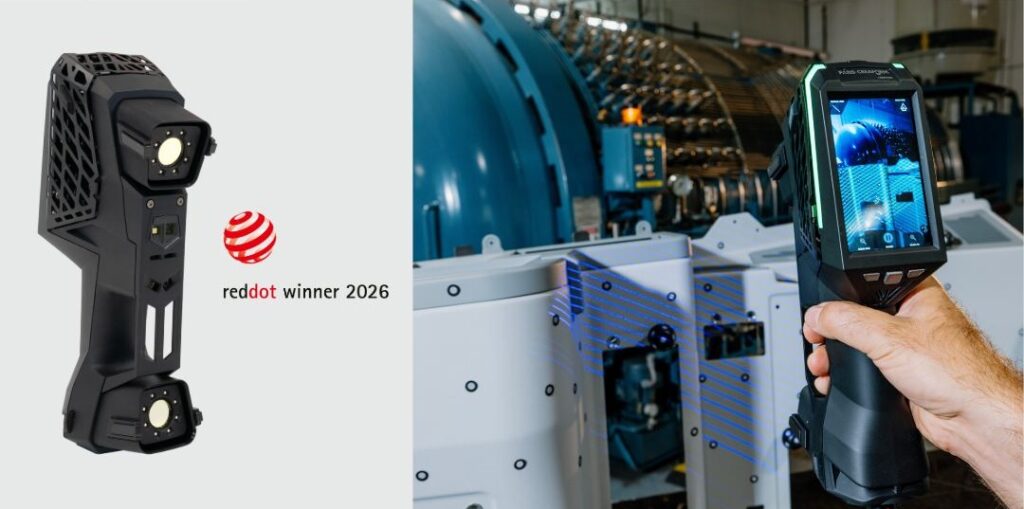
LEVIS,QC, Canada, May 19, 2026 — FARO CREAFORM, a business of AMETEK, Inc. and global provider of 3D scanning and portable CMM solutions, announced that the company’s HandySCAN 3D EVO Series handheld 3D scanner has won the distinguished Red Dot Award for Product Design.
Known for over 70 years as the benchmark for global product design excellence, Red Dot has become one of the most sought-after seals of quality and international prestige. Each year thousands of companies submit applications in categories ranging from Product Design, Brands & Communication, and Design Concept. And this year FARO CREAFORM is a Product Design standout winner, our 6th such award in this category for the HandySCAN 3D lineup. This recognition reinforces the fact that innovation and design are in our DNA, driving our mission to deliver an exceptional 3D scanning experience through our industry‑leading handheld 3D scanners.
“We at FARO CREAFORM are honored that our market-leading handheld 3D scanner has been recognized by this year’s Red Dot Award Jury,” said Fanny Truchon, FARO CREAFORM President & Chief Executive Officer. “This highly sought‑after recognition celebrates a design philosophy that successfully unifies unmatched usability, high‑end performance, and distinctive FARO CREAFORM styling—while remaining purpose‑built for industrial environments. Products like the HandySCAN 3D EVO Series exemplify our commitment to advancing 3D metrology solutions that deliver formidable accuracy and precision, while remaining intuitive across a wide range of shop‑floor applications.”
The HandySCAN 3D EVO Series comes in a compact, lightweight design featuring a large 4.3-inch touchscreen display that enables real-time visualization and enhanced freedom of movement and efficiency.
Through its ergonomic graphical user interface (GUl), the EVO Series enhances the user experience by streamlining the inspection process and eliminating the need to move back and forth between the part and the laptop. Additionally, its optimized architecture offers three mechanical buttons to navigate on-screen menus, and includes a directional distance indicator. The device connects through a single rugged industrial push-pull secure connector, balanced for optimal weight distribution.
“The novelty of its appearance, with its large touchscreen, its sleek heatsink protector grid, its discreet side bumpers and its trapezoid camera covers, offers a unique visual impact,” added Marco St-Pierre, DVP Innovation 3D Scanners. “Subtle but significant finishing touches, like the textured handle and soft touch mat black paint, that offer anti slip features, ensure enduring aesthetics.”
Each year, the Red Dot Jury is comprised of 40 international experts who test, discuss and evaluate each entry live and on site. Entrants are judged on several criteria, including degree of innovation, functionality, formal quality and ergonomics.
About FARO CREAFORM
With headquarters in Lévis, Québec, Canada and Lake Mary, Florida, USA, FARO CREAFORM is the result of the combination of FARO’s renowned 3D Measurement business segment and Creaform’s innovative metrology solutions. With roots dating back to 1981, FARO has been a global leader in portable measurement arms, laser trackers, and reality capture technologies. Creaform, founded in 2002 in Lévis, Québec, has revolutionized handheld 3D scanning and automated inspection, serving thousands of professionals in automotive, aerospace, manufacturing, and research. Together, FARO CREAFORM empowers quality, production, maintenance and design teams to work faster, smarter, and with total confidence, unlocking better outcomes and superior experiences across manufacturing workflows. FARO CREAFORM is a business unit of AMETEK, Inc., a leading global provider of industrial technology solutions serving a diverse set of attractive niche markets with annual sales of over $7.5 billion. For more information, visit faro.com and creaform3d.com.
ANN ARBOR, MI, USA, May 19, 2026 — The Aerospace & Defense PLM Action Group (AD PAG) has announced it will host a live webinar on Tuesday, 23 June at 11:00 am EDT to present the findings of its landmark industry research. Titled “The Value Potential of Digital Twins and Digital Threads – Results from Industry Research”, the webinar will offer critical insights into the actual maturity, capabilities, and cross-industry applications of current commercial digital twin and digital thread (DTW-DTH) solutions.
While technology providers frequently promise a seamless DTW-DTH ecosystem, organizations building digital strategies for complex engineering environments cannot afford to bet on future roadmaps; they need to know what works today. In light of this, the AD PAG engaged with a group of leading DTW-DTH solution providers. The initiative assessed the capabilities of commercially available software and services through a series of intensive, real-world use-case demonstrations.
Recognizing the massive breadth and varying maturity of the DTW-DTH space, this benchmark inquiry was not focused solely on “measuring how well it is done.” Instead, the AD PAG project team structured the initiative around three vital lines of inquiry: How is it done? What is real today? Where is it going?
To evaluate current market realities, the project team drafted a rigorous catalog of use cases before reaching out to solution providers. Participating solution providers were asked to demonstrate existing use cases from their current catalogs that directly aligned with the AD PAG catalog. This deliberate approach focused the evaluation on the strengths of each participating provider’s solution. Using their current use-case catalogs also minimized the preparation lead time. The published results provide a definitive, composite profile of capabilities across the current commercial solutions landscape.
By revealing the research results, this webinar will move attendees from uncertainty to an actionable strategy.
Webinar attendees will gain the insights necessary to:
Develop a Roadmap Blueprint: Learn how to clearly define the objectives, requirements, and deployment roadmaps needed to successfully manage a product’s digital representation across its entire lifecycle.
Learn from Direct Solution Provider Insight: Find out how leading solution providers actually implement digital threads and digital twins today, moving past sales hype to see real-world software execution.
See Examples of Proven, Real-World Value Metrics: Gain visibility into validated benefits for the PLM ecosystem, including improved data portability, total transparency of PLM events, reduced operational friction, lower operational costs, and enhanced product design safety and efficiency.
According to Dr. Robert J. Rencher, D.M., Senior Systems Engineer and Associate Technical Fellow at Boeing, and also Project Leader of the AD PAG Digital Twin/Digital Thread working group, “This benchmark was a significant, sustained effort from many individuals across multiple organizations, and their contributions made this work possible. The value of this benchmark is not as a conclusive answer, but as a contribution to the ongoing conversation about the readiness of the industry to deliver true Digital Twin and Digital Thread capabilities. We welcome continued dialogue, feedback, and engagement as the industry evolves.”
Cross-Industry Applicability: Who Should Attend?
While this research originated within the Aerospace & Defense industry, the challenges of data silos, scaling digital twins, and managing product lifecycles are universal. This webinar is vital for leaders across Automotive, Industrial Equipment, Energy, Medical Devices, Pharmaceuticals, High-Tech, and any industry managing highly complex, multidisciplinary products.
Specific roles that will benefit include:
Product Program & Engineering Managers
PLM Program & Project Managers
Systems Engineers & Systems Architects
PLM Solution Architects
Digitalization & Digital Transformation Solution Architects
Strategy & Digital Innovation
Digital Thread & Digitalization Strategists
Digital Transformation Leaders
Technology Providers
PLM Solution Providers looking to benchmark against the current commercial landscape
Since its founding in 2014, the AD PAG, administered by CIMdata, has sponsored research and jointly staffed projects on a diverse set of prioritized PLM-related industry and technology topics. These topics include Model-Based Definition, Multiple-View Bill of Materials, PLM Technology Obsolescence Management, Global Collaboration, Model-Based Systems Engineering, and Digital Twin/Digital Thread. As an outcome of these investments, the AD PAG has released a series of direction statements and position papers that are freely available for downloading from its website at http://www.ad-pag.com/. Making these materials available is consistent with the Group’s mission to engage proactively within the PLM ecosystem and advocate for common direction and positions within the aerospace and defense industry on PLM-related topics of importance to the members.
About CIMdata
CIMdata, an independent worldwide firm, provides strategic management consulting to maximize an enterprise’s ability to design, deliver, and support innovative products and services by identifying and implementing appropriate digital initiatives. For forty years, CIMdata has provided industrial organizations and providers of technologies and services with world-class knowledge, expertise, and best-practice methods on a broad set of product lifecycle management (PLM) solutions and the digital transformation they enable. CIMdata also offers research, subscription services, publications, and education through certificate programs and international conferences. To learn more, visit www.CIMdata.com or email info@CIMdata.com.
Siemens’ software and automation portfolio enables modular hydrogen energy system manufacturer to accelerate design, eliminate production errors and respond to customer demands for custom solutions
Digital workflow with Designcenter X and Teamcenter Share accelerates design and customization by 20 percent and helps to halve production time
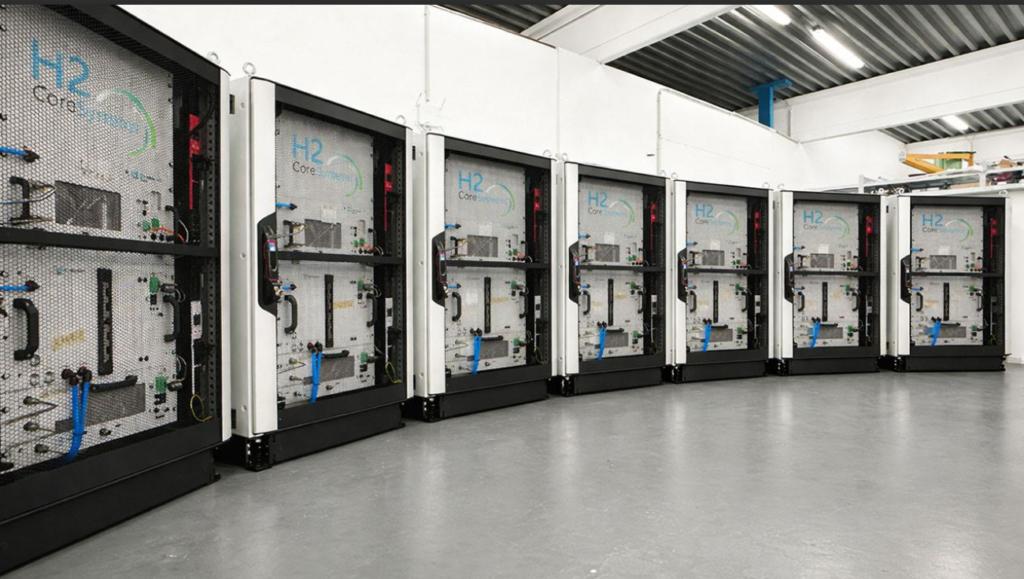
Siemens has announced that H2 Core Systems, a startup focused on modular hydrogen-based energy systems, is using the Siemens Xcelerator platform of software and automation portfolio to design and manufacture compact, highly efficient hydrogen energy systems that generate and store clean energy where it is needed.
H2 Core Systems is leveraging Siemens’ Designcenter™ X Solid Edge® software as the backbone of its fully digital product development process, enabling it to design and visualize its products in 3D before physical production. The digital workflow has enabled it to reduce production time by 50 percent, speed up design and customization cycles by 20 percent and achieve an overall growth rate of 70 percent. Designcenter X Solid Edge, in combination with the cloud-based collaboration capabilities of Siemens’ Teamcenter® Share app, allows the team to create marketing assets, technical documentation and aids communication of complex design concepts clearly to customers and stakeholders.
Founded in 2019 and based in Heide, Germany, H2 Core Systems develops, manufactures and maintains modularly configurable production, storage and energy systems that combine electrolysis with storage, compression, fuel cells and everything around a hydrogen-based eco-system. Designed to be flexible, expandable and scalable, alongside on-grid use its products are perfect for combination with photovoltaic or wind power systems in a decentralized, self-sufficient and green energy supply that can be used worldwide.
“In our role as an accelerator of the energy transition, we need to respond to individual requirements promptly and with modular, scalable energy systems,” said Ulf Jörgensen, chief executive officer, H2 Core Systems. “This acceleration is based on fully digitalized, dynamic and efficient collaboration between sales, engineering, production and documentation. Siemens Xcelerator enables this collaboration and significantly reduces our time-to-market.”
“Siemens Xcelerator, including Designcenter and Teamcenter, is built to help companies like H2 Core Systems design and collaborate more efficiently; by allowing them to visualize the complete product in 3D and collaborate seamlessly with stakeholders from anywhere, on any device, they can make informed design changes before production starts, saving time and money. This speeds the development of new solutions, allows greater innovation and enables customization based on customer needs,” said Joe Bohman, executive vice president, PLM Products, Siemens Digital Industries Software. “Siemens’ technologies help them reduce complex steps and deliver sustainable energy systems quickly to communities that need them.”
A recent project saw H2 Core Systems design and build a fully autonomous energy system for a school in Niger. The result is an independent, emission-free power supply where solar energy is used to split water into hydrogen and oxygen. The green hydrogen produced is stored and can later be converted back into electricity when needed, resulting in an independent, emission-free power supply – without diesel, without unstable grids, and without long fossil fuel supply chains.
“By combining modular hydrogen energy systems with Siemens’ advanced software and automation hardware, we can continue to deliver sustainable energy solutions worldwide, quickly adapting to customer needs and scaling our impact,” says Thorsten Claussen, head of mechanical engineering, H2 Core Systems. “We use Designcenter X Solid Edge to fully digitize our dynamic product and production planning. Thanks to the innovative solutions for distributed teams and high variability, we can significantly accelerate our development processes and production preparations and thus considerably reduce the time-to-market of our hydrogen-based energy systems.”
Siemens Digital Industries Software helps organizations of all sizes digitally transform using software, hardware and services from the Siemens Xcelerator business platform. Siemens’ software and the comprehensive digital twin enable companies to optimize their design, engineering and manufacturing processes to turn today’s ideas into the sustainable products of the future. From chips to entire systems, from product to process, across all industries. Siemens Digital Industries Software – Accelerating transformation.
Siemens Digital Industries (DI) empowers companies of all sizes within the process and discrete manufacturing industries to accelerate their digital and sustainability transformation across the entire value chain. Siemens’ cutting-edge automation and software portfolio revolutionizes the design, realization and optimization of products and production. And with Siemens Xcelerator – the open digital business platform – this process is made even easier, faster, and scalable. Together with our partners and ecosystem, Siemens Digital Industries enables customers to become a sustainable Digital Enterprise. Siemens Digital Industries has a workforce of around 70,000 people worldwide.
Siemens AG (Berlin and Munich) is a leading technology company focused on industry, infrastructure, mobility, and healthcare. The company’s purpose is to create technology to transform the everyday, for everyone. By combining the real and the digital worlds, Siemens empowers customers to accelerate their digital and sustainability transformations, making factories more efficient, cities more livable, and transportation more sustainable. A leader in industrial AI, Siemens leverages its deep domain know-how to apply AI – including generative AI – to real-world applications, making AI accessible and impactful for customers across diverse industries. Siemens also owns a majority stake in the publicly listed company Siemens Healthineers, a leading global medical technology provider pioneering breakthroughs in healthcare. For everyone. Everywhere. Sustainably.
In fiscal 2025, which ended on September 30, 2025, the Siemens Group generated revenue of €78.9 billion and net income of €10.4 billion. As of September 30, 2025, the company employed around 318,000 people worldwide on the basis of continuing operations. Further information is available on the Internet at www.siemens.com.
H2 Core Systems is a global manufacturer of hydrogen systems. H2 Core Systems sets the standard for the future and is the top choice for self-sufficient H2 production and energy independence through safe and cost-effective hydrogen system solutions. H2 Core implements scalable H2 system solutions for true autonomy and independence from resources and prices. Through the intelligent integration of generation, storage, and reconversion to electricity, H2 Core guarantees maximum supply security with full cost control. Made in Germany, plug-and-play ready, modularly scalable, and CO2-free when combined with renewable energy. H2 Core Systems is an all-in-one provider and supports customers across the entire value chain, from consulting and engineering through production to installation, service, and maintenance. www.h2coresystems.com
Note: A list of relevant Siemens trademarks can be found here. Other trademarks belong to their respective owners
UNTERMERZBACH, Germany, May 18, 2026 – AM Solutions – 3D post-processing technology expands its portfolio with the S1 Basic, a new compact solution for the automated cleaning and surface finishing of 3D-printed polymer parts in the industrial entry-level segment. The system addresses the growing diversity in the additive manufacturing market. While highly automated production solutions remain important, there is also a growing focus on compact systems for smaller parts and batch sizes. The S1 Basic will be presented for the first time at the 3D Print show in Lyon from June 2 to 4, 2026, and will be available for purchase starting that date.
Even in the entry-level segment of industrial 3D printing, demand is rising for automated post-processing solutions, as printer manufacturers increasingly introduce compact systems for smaller parts and batch sizes, facilitating entry into additive manufacturing. Meanwhile, manual post-processing steps are becoming less cost-efficient, reproducible, and conducive to high-quality parts.
The S1 Basic addresses the growing demand for entry-level additive manufacturing
AM Solutions has expanded its portfolio with the new S1 Basic, a solution that precisely addresses this demand. The system is specifically designed for the automated cleaning and surface finishing of smaller batch sizes in the polymer sector.
“We see printer manufacturers clearly intending to provide solutions for entry into additive manufacturing at an industrial level, alongside large, high-performance systems for series production. Smaller, more accessible products are lowering barriers to market entry, but expectations for part quality remain consistently high,” explains David Soldan, Head of AM Solutions – 3D post-processing technology. “Regardless of this development, we recognized the need for a compact, industrial post-processing solution early on and began developing a corresponding system. With the S1 Basic, we will offer a commercially available product starting in June that fills this market gap, particularly for cost-effective and reproducible post processing of small batches,” Soldan continues.
The system’s development is based on AM Solutions’ extensive experience in industrial post-processing, particularly shot blasting technology. After multiple development and testing cycles, the S1 Basic was designed to be robust, stable, and user-friendly.
The new system will premiere at the 3D Print show in Lyon, where it will be showcased live at the AM Solutions / Rösler France booth. Rösler France is part of the Rösler Group, which operates internationally, and is responsible for AM Solutions’ activities in the French market. A detailed technical presentation will take place as part of the official product launch in June.
About Rösler Oberflächentechnik GmbH / AM Solutions
For over 80 years, the privately owned Rösler Oberflächentechnik GmbH has been actively engaged in the field of surface preparation and surface finishing. As global market leader, we offer a comprehensive portfolio of equipment, consumables and services around the mass finishing and shot blasting technologies for a wide spectrum of different industries. Our range of about 15,000 consumables, developed in our Customer Experience Centers and laboratories located all over the world, specifically serves our customers for resolving their individual finishing needs. Under the brand name AM Solutions, we offer numerous equipment solutions and services in the area of additive manufacturing/3D printing. Last-but-not-least, as our central training center the Rösler Academy offers practical, hands-on seminars to the subjects mass finishing, shot blasting and additive manufacturing. The Rösler group has a global network of 15 locations and approx. 150 sales agents.
CHARLOTTE, NC, USA, May 18, 2026 – Axtra3D has expanded its North America go-to-market strategy through a new reseller partnership with Dynamism, a long-established provider of advanced Industry 4.0 manufacturing solutions. The collaboration strengthens Axtra3D’s channel reach across North America and increases access to its Hybrid PhotoSynthesis (HPS) technology, the Lumia X1 production 3D printer, and Axtra.Workflow software platform.
The partnership is designed to accelerate adoption of high-speed, production-grade photopolymer manufacturing across North American industries that are focused on repeatable, end-use production. It reinforces Axtra3D’s strategy of scaling through specialized channel partners capable of both technology validation and application-driven customer engagement.
Founded in 1997, Dynamism built its reputation on delivering cutting-edge technology. As additive manufacturing matured, the company expanded into 3D printing, focusing on rigorously validated, high-performance systems. Dynamism is widely recognized for its independent testing methodology and selective portfolio approach, ensuring only proven, high-performance solutions are introduced to its industrial customer base. This aligns closely with Axtra3D’s emphasis on reliability, repeatability, and production readiness in real-world manufacturing environments.
By adding Axtra3D, Dynamism expands its offerings in high-performance photopolymer production, addressing increasing demand from service bureaus and manufacturers for a differentiated capability set focused on combining speed, accuracy, and material flexibility for industrial-scale workflows.
“Axtra3D fits naturally within our North America portfolio of advanced manufacturing technologies,” said Hratch Gasparyan, Enterprise Solutions Director for Dynamism. “Our customers look for solutions that have been rigorously evaluated and proven in production environments. The Lumia X1, AxtraWorkflow and HPS technology stand out for their ability to deliver both performance and consistency, which is critical for industrial adoption. We see strong alignment with manufacturers and service providers looking to scale additive production beyond prototyping.”
For Axtra3D, the partnership represents a deliberate expansion of its North America channel strategy, focused on strengthening regional coverage through technically capable and application-driven partners.
“Dynamism has a long-standing reputation in North America for curating and validating advanced manufacturing technologies that meet real production requirements,” said Rajeev Kulkarni, CSO at Axtra3D. “This partnership strengthens our ability to reach customers who require both trusted guidance and high-performance solutions. Together, we are focused on accelerating the adoption of HPS-based production workflows across key North American tooling, aerospace, automotive, healthcare, and industrial manufacturing applications.”
The partnership reinforces Axtra3D’s North America growth strategy, which is centered on building a high-performance reseller ecosystem capable of driving measurable commercial outcomes. The focus is on expanding installed base growth, increasing application-driven throughput adoption, and scaling revenue contribution.
About Axtra3D
Based in the US and Italy, Axtra3D is a global company specializing in Hi-Speed SLA systems that eliminates tradeoffs between print throughput, accuracy, feature resolution, and surface finish typically found in traditional SLA or DLP systems.
The flagship LumiaX1 Hi-Speed SLA system by Axtra3D represents a significant advancement, combining its Hybrid PhotoSynthesis resin polymerization process with TruLayer, a layer separation technology. HPS utilizes both a laser and a DLP to image simultaneously, while TruLayer enables rapid detachment of the active print layer, resulting in a 20X throughput improvement while preserving the accuracy and fidelity of SLA parts.
Axtra3D operates with two business models.
Axtra Solutions: This model provides fully optimized, turnkey 3D printing solutions. Customers receive complete print profiles fine-tuned for maximum performance and reliability, supported by Axtra3D’s Applications team and quality material partners.
Axtra OpenAccess: This model further builds on Axtra Solutions™ and allows customers the flexibility to experiment with new materials and applications. It supports innovation and adaptability, enabling added flexibility.
BOSTON, MA, USA, May 18, 2026 – Raise3D, a global leader in additive manufacturing solutions, unveiled their B520 SLS sandblaster alongside their SLS powders at Rapid + TCT 2026. This marks a significant expansion of Raise3D’s SLS 3D printing portfolio and reinforces the company’s long-term commitment to scalable, end-use additive manufacturing.
Designed to address the challenges of high-efficiency output and complex large-scale part production, Raise3D now delivers an integrated SLS workflow for continuous, high-throughput manufacturing and post-processing, helping accelerate the transition from prototyping to true digital production.
B520: From Printed to Production-Ready – In One Seamless Step.
B520 is an industrial-grade automated blasting system designed to replace manual depowdering with an efficient, repeatable, and scalable system. It features the Easy Swap Basket, an industry-first that allows seamless switching between blasting, transporting, and storage of up to 30L per cycle. This provides compatibility with the larger formats of SLS machines currently available on the market.
Equipped with a sealed chamber, precision-controlled media flow, and programmable parameters, B520 ensures high consistent, high-quality surface finishes. Its optimized airflow and filtration system provides cleaner, safer operations with reduced variability. An optional polishing module further extends functionality, enabling a one-stop post-processing workflow. With an intuitive process requiring less than 5 minutes of manual handling, the B520 significantly improves efficiency and production consistency.
Raise3D Powder Materials
In addition, Raise3D continues to expand its SLS material portfolio with the release of PA Next and PA Next GB, offering a wider range of powders engineered to meet diverse application requirements. Currently, Raise3D carries seven high-performance SLS powders:
Raise3D PA12 Powder – A versatile and reliable material for SLS production, Raise3D PA12 Powder offers an excellent balance of strength, dimensional stability, and surface quality. It is ideal for functional prototypes and end-use parts requiring durability and precision.
Raise3D PA11 Powder – A high-performance material delivering superior toughness, impact resistance, and elongation at break. Well-suited for applications requiring flexibility and long-term mechanical performance.
Raise3D PA12 GB Powder – Glass bead-reinforced for enhanced stiffness, dimensional stability, and heat resistance. Ideal for rigid components where structural integrity is critical.
Raise3D PA Next Powder – The next-generation SLS material featuring high toughness, high density, and exceptional isotropy. It offers superior powder flowability and elongation, enabling consistent, high-quality production.
Raise3D PA Next GB Powder – Combining next-generation performance with glass bead reinforcement, this material delivers increased stiffness, thermal resistance, and higher modulus, along with an improved reuse rate for cost-efficient production.
Raise3D TPU 86A Powder – A flexible material designed for elasticity, resilience, and comfort. Ideal for wearables, cushioning applications, and functional flexible parts.
Raise3D TPU 90A Powder – Offering higher hardness and enhanced structural support, this material provides a balanced combination of flexibility and strength for applications requiring durability with controlled elasticity.
Raise3D RMS220 Solution
Edward Feng, Global CEO of Raise3D, commented, “With the introduction of B520 along with our expanding powder portfolio, Raise3D now delivers a complete SLS workflow, covering material, printing, and post-processing. This integrated ecosystem enhances production efficiency, ensuring consistent part quality and enabling scalable manufacturing. It reflects our commitment to providing a fully optimized solution that supports diverse applications and evolving industrial needs.”
Availability and Pricing
Pricing information for the B520 and SLS powders is provided on the table below:
*Please note that the listed prices only apply to the US and European markets. Pricing in other regions may vary.
Raise3D designs and manufactures top-performing 3D printers and additive manufacturing solutions for SMEs and LSEs. With offices in Texas, California, Rotterdam, and Shanghai, Raise3D is an ISO9001:2015 and ISO14001-certified company, positioned to be a leader in developing complete solutions using FFF, Resin DLP additive manufacturing technology for polymers, composite, and metal materials.
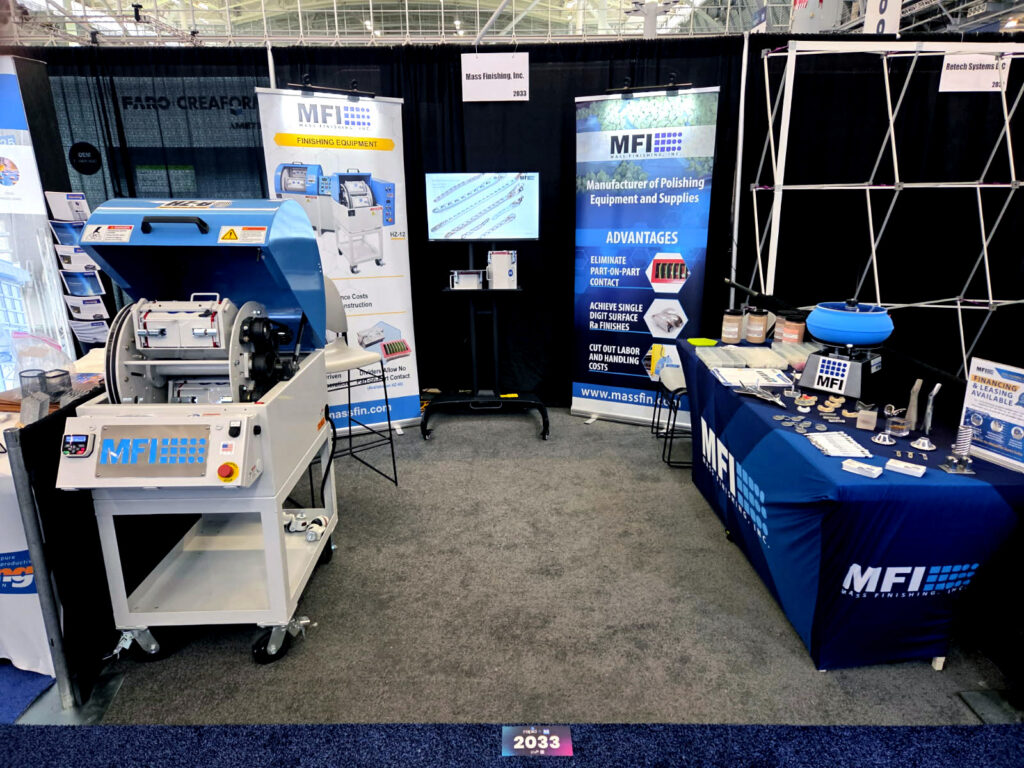
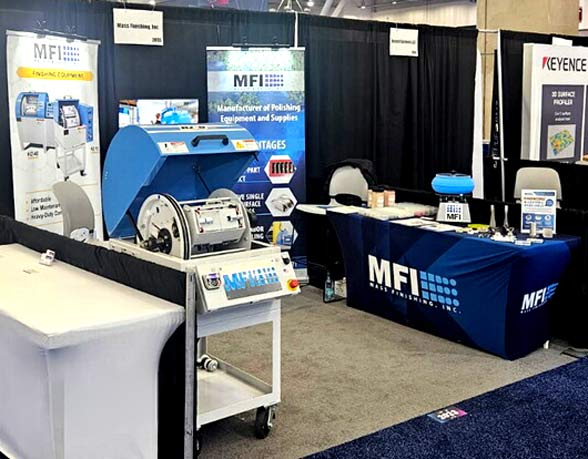
HOWARD LAKE, MN, USA, May 18, 2026 – At this year’s RAPID + TCT trade show, Mass Finishing, Inc. proudly showcased its latest innovation designed specifically to help manufacturers remove support material on 3D-printed parts more efficiently and consistently.
Representing the company at the event were Mike Marketon and Dave Morschen, who connected with industry professionals. They introduced attendees to the new HZ-6 Centrifugal Barrel Finishing Machine. The HZ-6 is a compact yet powerful solution for post-processing additively manufactured components.
The HZ-6 and 3D-Printed Parts Support Material Removal
The need to effectively remove support material on 3D-printed parts has become increasingly important as additive manufacturing continues to expand. Manual removal methods can be time-consuming, inconsistent, and labor-intensive. But Mass Finishing has an easier way!
The HZ-6 is the smallest centrifugal barrel finishing machine currently available on the market. This makes it an ideal choice for operations with limited space or those looking to integrate efficient finishing into smaller-scale workflows. Despite its compact size, the machine delivers high-energy processing. This significantly improves the ability to remove support material on 3D-printed parts while maintaining part integrity.
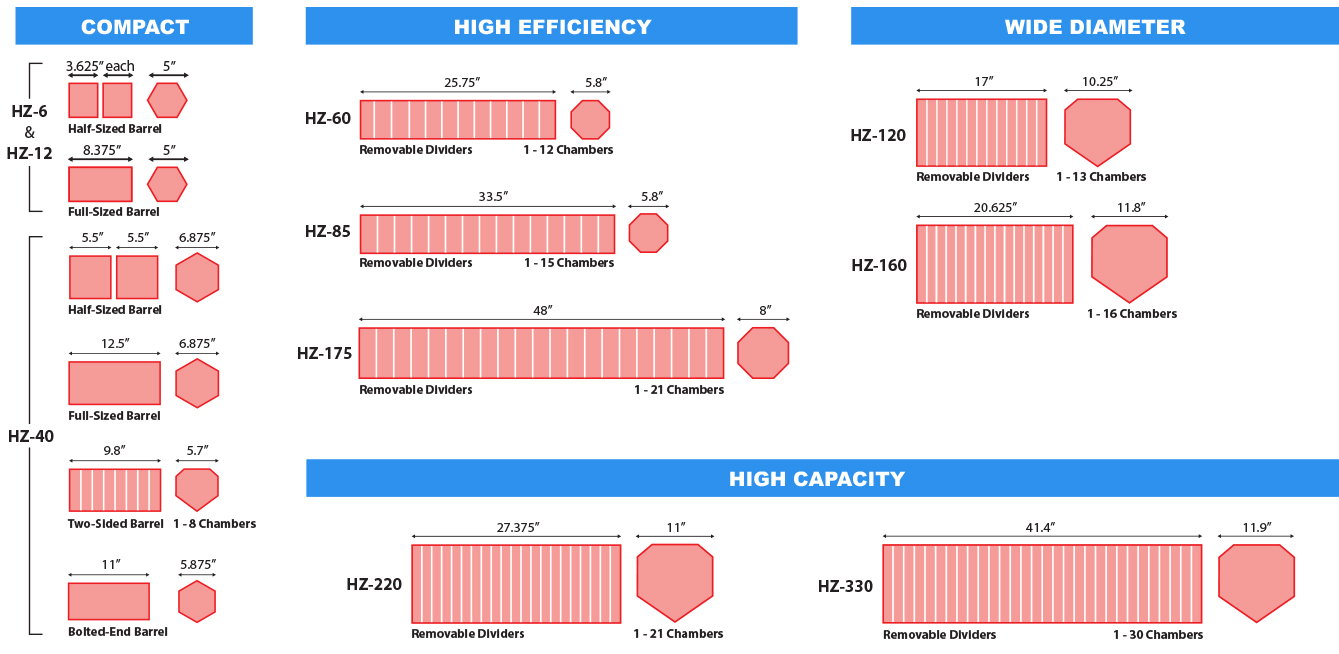
The HZ-6 is designed with flexibility in mind. It is available in both full barrel and half barrel configurations. This allows users to fine-tune their process depending on part size, geometry, and production volume. Whether working with delicate features or more robust builds, the machine offers precise control over the finishing process.
One of the standout benefits of using centrifugal barrel finishing technology is its ability to access hard-to-reach areas and complex geometries. This is a common challenge when trying to remove support material on 3D-printed parts. The HZ-6 enhances surface quality while reducing the need for manual intervention. This machine helps manufacturers save time and improve consistency.
Mass Finishing, Inc.’s presence at RAPID + TCT highlighted its commitment to solving real-world manufacturing challenges. By focusing on efficient ways to remove support material on 3D-printed parts, the company continues to support the growing demands of the additive manufacturing industry.
If you’re looking for a faster, more reliable way to remove support material on 3D-printed parts, the HZ-6 Centrifugal Barrel Finishing Machine offers a powerful and compact solution.