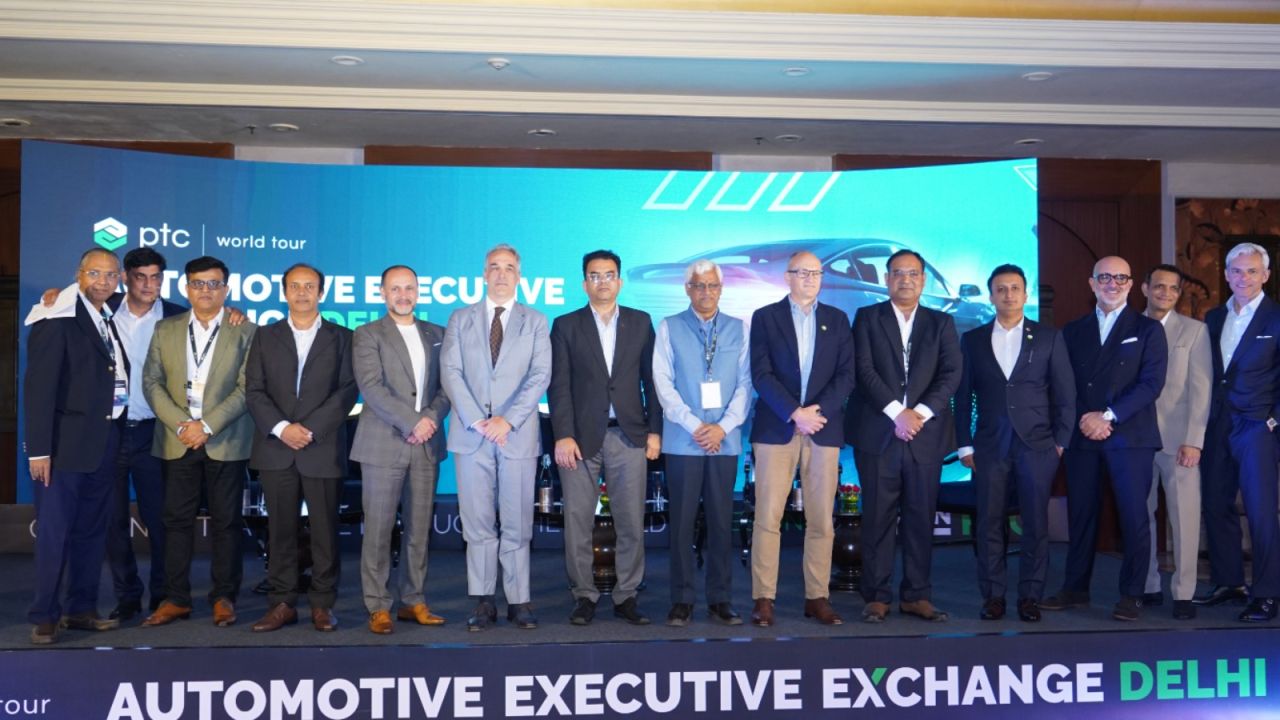
New Delhi, India – PTC hosted its Automotive Executive Exchange in New Delhi, bringing together automotive OEMs, suppliers, technology leaders, and engineering experts to discuss the future of software-defined vehicles (SDVs), connected mobility, AI-driven engineering, and intelligent product lifecycle management.
The event focused on how automotive manufacturers are preparing for rising vehicle complexity, faster development cycles, regulatory requirements, electrification, and continuously evolving software-enabled mobility ecosystems. The conference highlighted the growing importance of connected digital engineering environments, integrated ALM-PLM toolchains, and AI-enabled workflows across the automotive value chain.
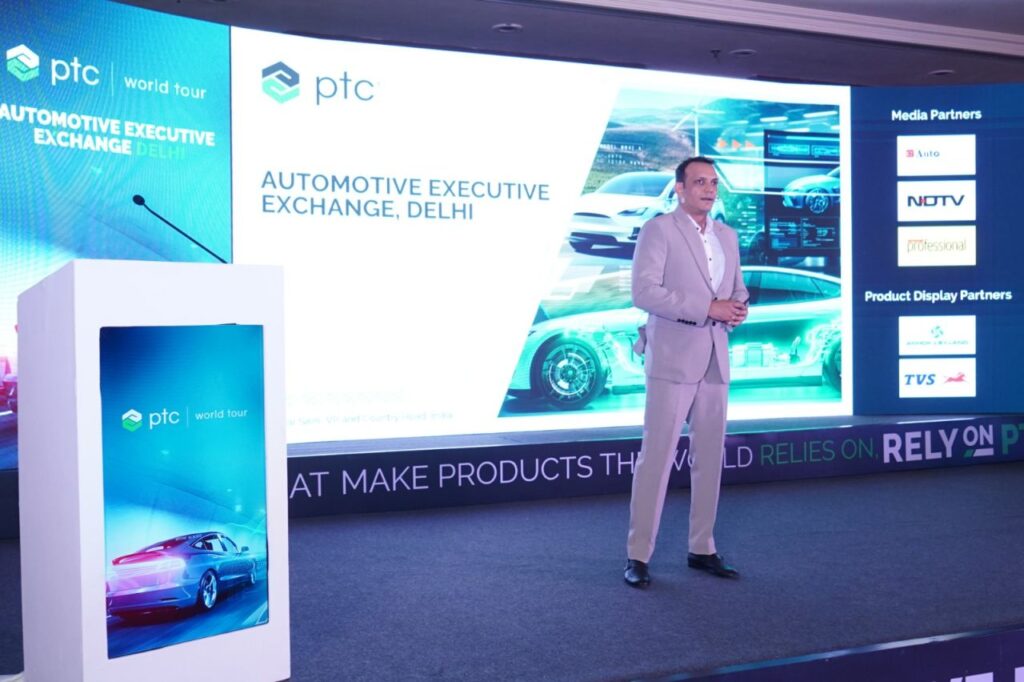
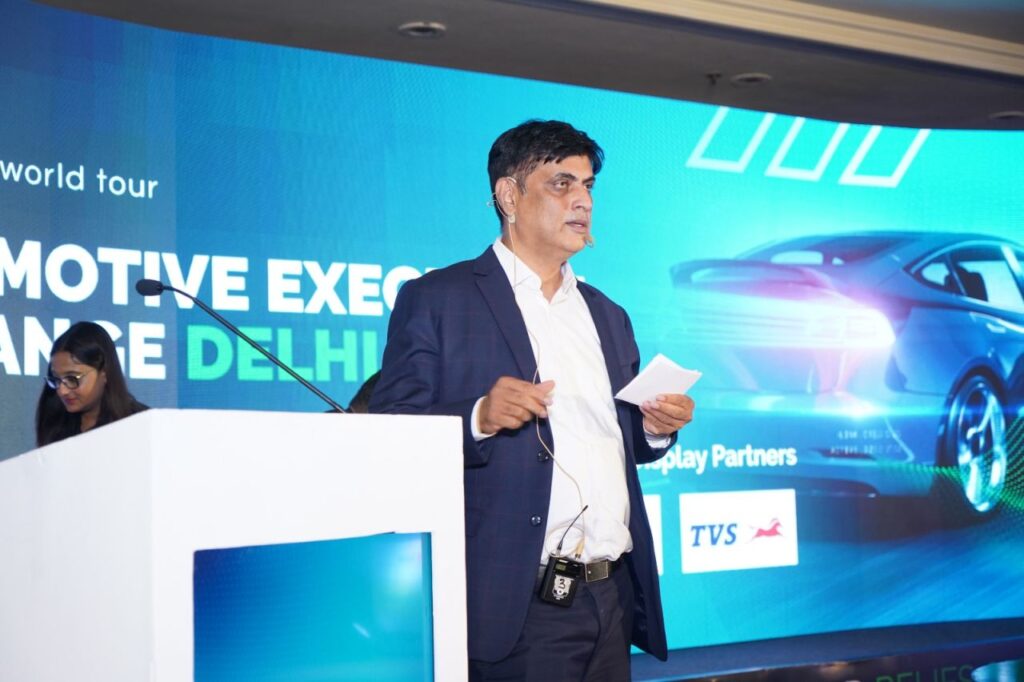
Opening the event, Upkar Saini highlighted India’s increasing strategic importance within PTC’s global operations and the wider automotive ecosystem. He noted that India now represents nearly 32 percent of PTC’s global workforce and hosts one of the company’s largest R&D centres in Pune.
Saini described India as being at a major inflection point in automotive transformation, particularly in areas such as passenger vehicle electrification, software-defined mobility, and integrated engineering operations.
“We are at an inflection point where organisations want to ensure they are not operating in silos,” Saini said, emphasizing the growing demand for connected engineering, manufacturing, and service ecosystems.
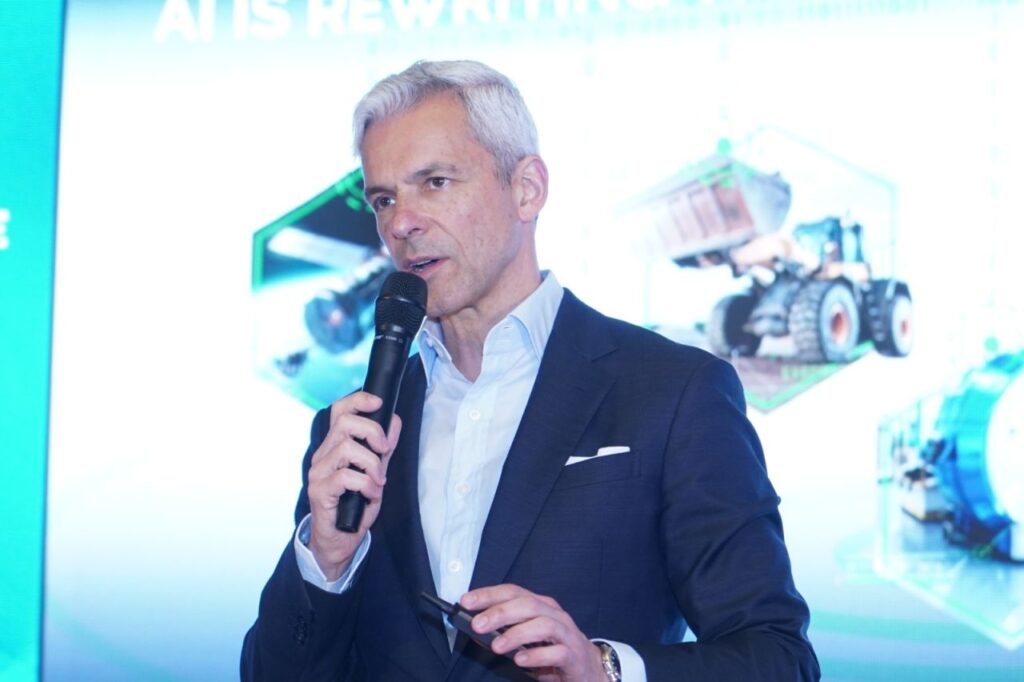
During the keynote session, Robert Dahdah discussed the accelerating adoption of AI across manufacturing and engineering industries. However, he cautioned that many organisations are struggling to achieve meaningful outcomes due to fragmented and disconnected data environments.
“The quality of your data will determine your AI ceiling,” Dahdah said, adding that precision-driven industries such as automotive cannot rely on “probable outcomes” from AI systems.
According to Dahdah, global AI investments are expected to reach nearly $1.6 trillion in 2026, with India projected to account for approximately $200 billion of that investment. He explained that the industry is moving beyond isolated AI experimentation toward connected digital engineering ecosystems where AI can operate seamlessly across design, manufacturing, service, and operational workflows.
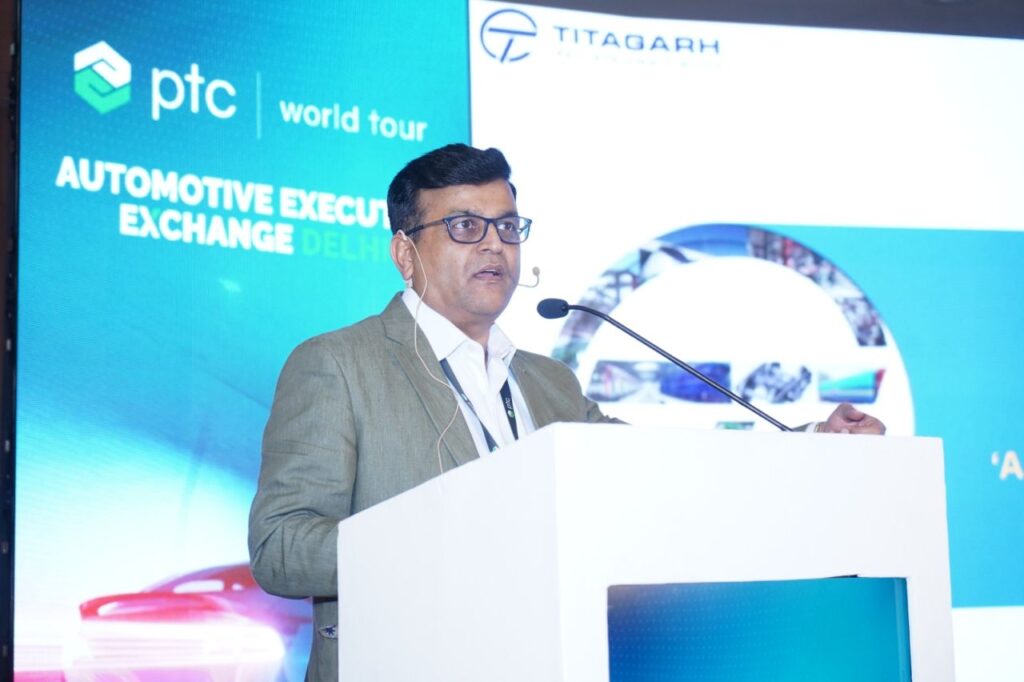
At the event, PTC showcased its “Intelligent Product Lifecycle” strategy, designed to integrate CAD, PLM, ALM, and service lifecycle management into a unified digital thread capable of enabling AI-powered product development and lifecycle management.
Using examples from Lamborghini, PTC demonstrated how manufacturers leveraging connected engineering and manufacturing environments are better positioned to accelerate development cycles, improve collaboration, and deploy AI meaningfully across product lifecycles.
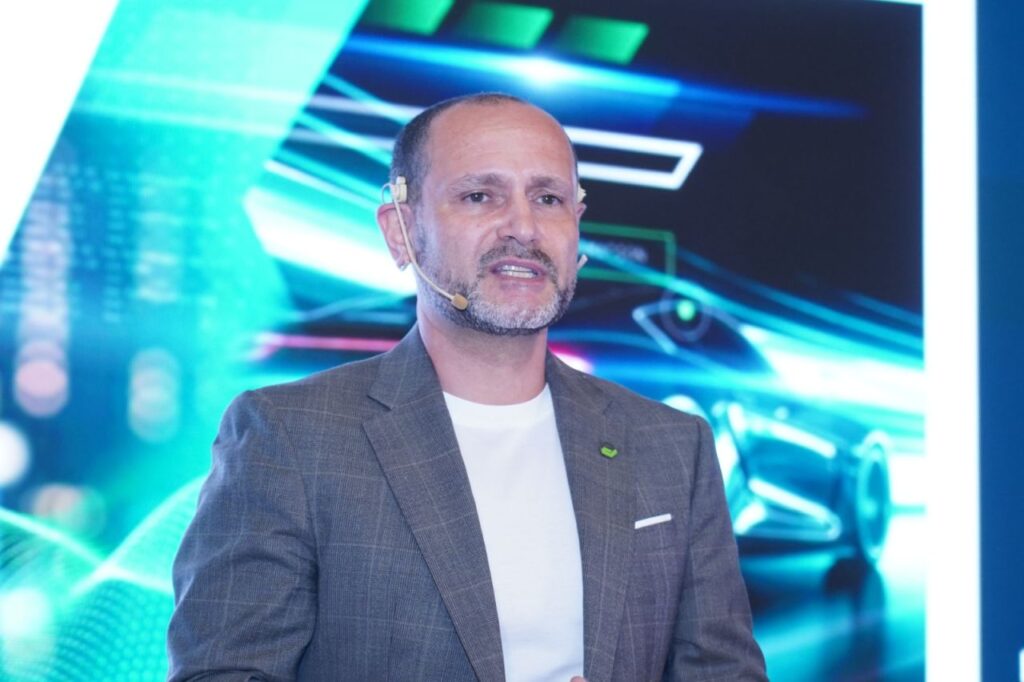
A major focus of the conference was the growing complexity associated with software-defined and autonomous vehicles. Michele Del Mondo explained that traditional automotive engineering approaches are no longer sufficient as vehicles become increasingly software-centric and continuously upgradeable.
According to Del Mondo, modern vehicles may involve nearly 500,000 requirements compared to just seven requirements that defined vehicles in the 1930s, dramatically increasing engineering, validation, and compliance complexity.
“There is no finish line anymore,” Del Mondo said, referring to the shift from fixed vehicle programmes toward continuously evolving software-enabled platforms requiring updates long after production.
He further stressed the importance of coherent and connected ALM-PLM toolchains capable of integrating mechanical, electrical-electronic, and software engineering domains in real time to support future autonomous mobility ecosystems.
The conference agenda also featured expert sessions on fuel-agnostic engine development, connected intelligence, telematics, cloud analytics, and next-generation engineering methodologies. Krishnan Sadagopan presented insights on flexible powertrain strategies aligned with India’s evolving energy roadmap, while Amit Pandey discussed “Left Shift” engineering approaches aimed at accelerating product development through early-stage digital validation and simulation.
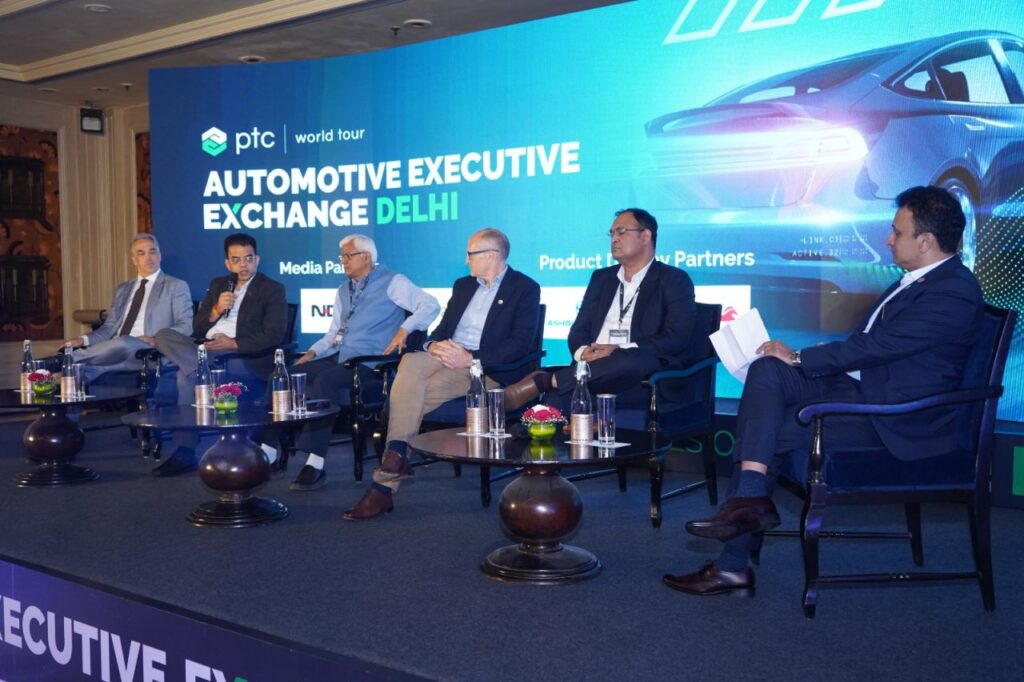
The event also included a fireside discussion and panel sessions focused on software-defined mobility, connected cars, telematics, digital transformation, and smart mobility ecosystems. The panel discussion was moderated by Rajkiran C. and featured executives from HCLTech, PMI Electro Mobility, Volvo Eicher Commercial Vehicles, and JBM Group. Discussions covered topics including connected intelligence, digital engineering transformation, telematics, EV infrastructure readiness, and collaborative automotive ecosystems.
The Automotive Executive Exchange concluded with discussions emphasizing how automotive manufacturers and suppliers are accelerating their transition toward software-defined mobility through connected digital toolchains, AI-enabled engineering environments, and integrated lifecycle management platforms designed to support the next generation of intelligent mobility.